Key Takeaways
-
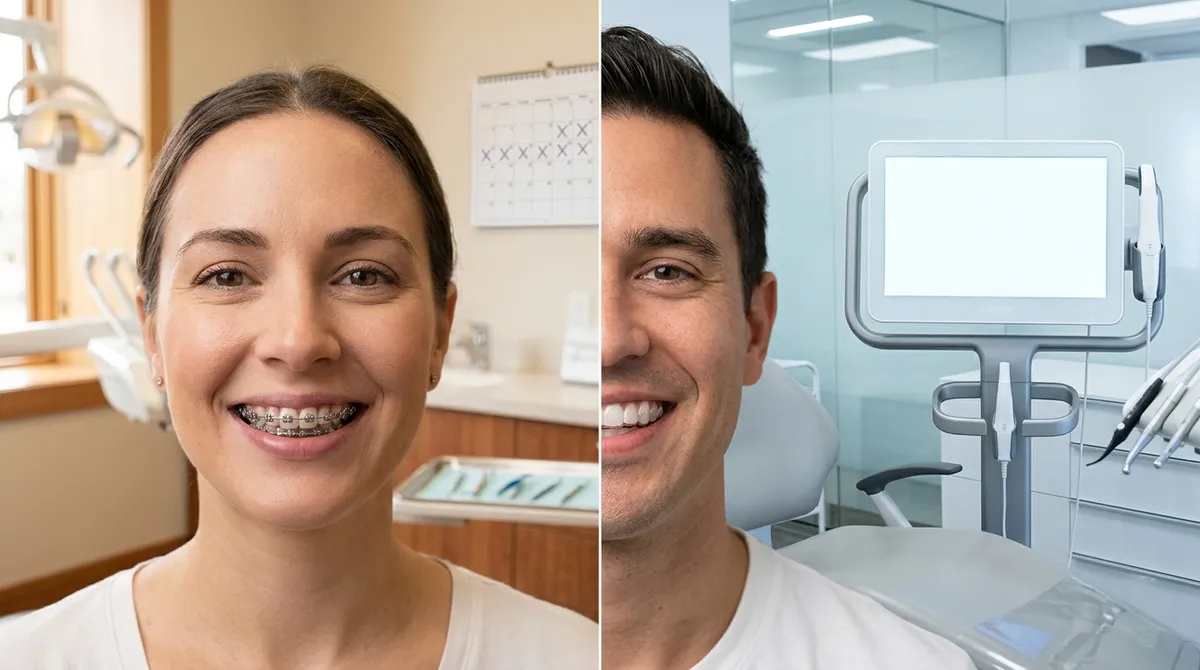
Both braces and clear aligners cost similarly ($3,000-$6,000) at Torres Orthodontics, but braces are better for complex cases while aligners suit mild-to-moderate issues and require 20-22 hours daily commitment.
-
Children and pre-teens benefit most from braces since they require consistent daily discipline, while teens and adults often prefer clear aligners for discretion and easier hygiene if compliant with wear schedules.
-
The American Association of Orthodontists recommends first orthodontic evaluation by age 7 to catch bite issues early; Torres Orthodontics offers free initial smile exams at Tampa, Miami Lakes, and Boca Raton locations.
-
Modern technology like iTero digital scanners, 3D treatment planning, and LightForce custom 3D-printed braces improve accuracy and comfort, reducing discomfort and shortening treatment time across both options.
-
Retainers are essential after treatment ends to prevent teeth from drifting back; skipping this step is a common costly mistake that undoes your orthodontic investment regardless of which treatment you chose.
-
Torres Orthodontics accepts most major PPO insurance plans (Delta Dental, Blue Cross Blue Shield, Aetna, Guardian, MetLife, UnitedHealthcare) plus Medicaid and offers flexible monthly payment plans to make treatment accessible.
Choosing between braces and clear aligners can feel overwhelming. Both options straighten teeth and improve your smile, but they work differently and suit different lifestyles. Whether you’re a parent searching for the best option for your child or an adult ready to finally fix your smile, understanding the differences helps you make the right call. At Torres Orthodontics, patients of all ages in Tampa, Miami Lakes, and Boca Raton, FL explore both options every day. This guide breaks down everything you need to know — clearly, honestly, and without the confusing jargon.
What Are Braces and How Do They Work?
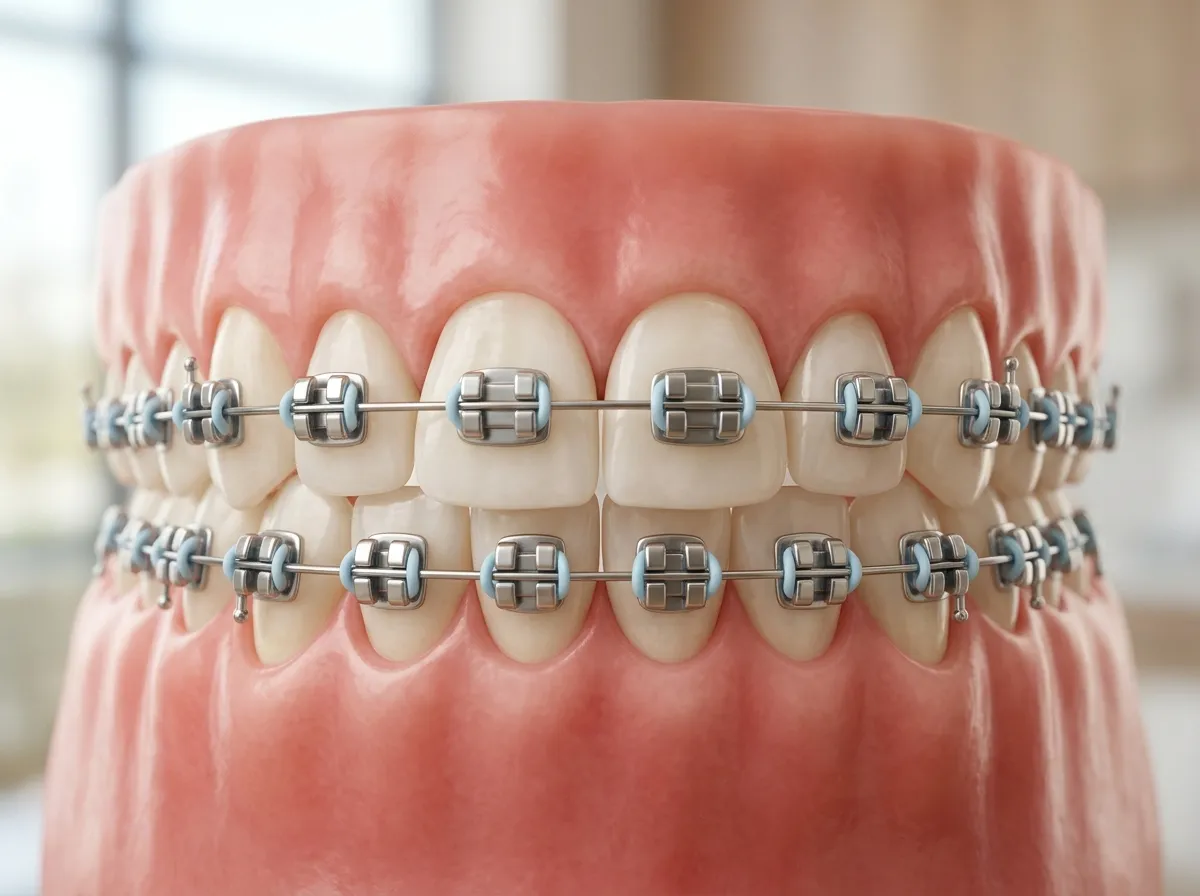
Braces use metal or ceramic brackets bonded to your teeth. A wire runs through the brackets and applies gentle pressure to move teeth into alignment. Your orthodontist adjusts the wire at regular appointments, typically every 6 to 8 weeks. Over time, your teeth shift into the desired position.
Traditional metal braces are the most common type. Clear ceramic braces work the same way but blend better with your teeth. Newer options like LightForce custom 3D-printed braces offer a more personalized fit. You can learn more about how traditional braces work and whether they’re right for you before making a decision.
What Are Clear Aligners and How Do They Work?
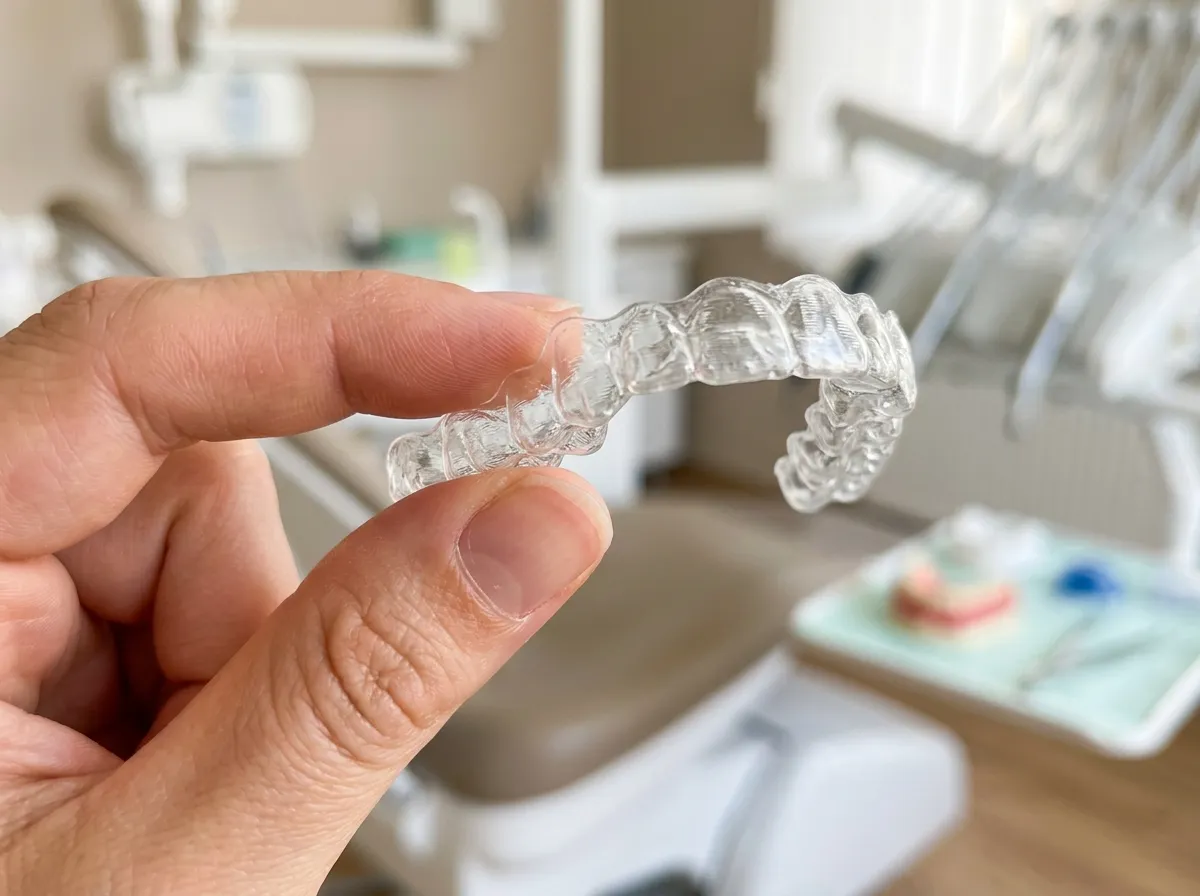
Clear aligners are removable plastic trays custom-made for your teeth. You wear each set for about 1 to 2 weeks before switching to the next. Each tray moves your teeth a small amount. You wear them 20 to 22 hours per day and remove them only to eat, drink, and brush.
Aligners are nearly invisible, which makes them popular with teens and adults who want a discreet treatment option. Curious about how Invisalign clear aligners actually work? The technology behind them is impressive and has advanced significantly in recent years.
Braces vs. Clear Aligners: Side-by-Side Comparison
Here’s a quick look at how the two options stack up across the most important categories:
| Feature | Braces | Clear Aligners |
|---|---|---|
| Visibility | More noticeable (metal or ceramic) | Nearly invisible |
| Removability | Fixed (non-removable) | Removable |
| Treatment Range | Wide — handles complex cases | Mild to moderate cases |
| Dietary Restrictions | Yes — avoid hard/sticky foods | None — remove to eat |
| Hygiene Difficulty | Harder to brush and floss | Easier — remove to clean |
| Discipline Required | Low — always in place | High — must wear 20-22 hrs/day |
| Cost Range | $3,000 – $6,000 | $3,000 – $6,000 |
Which Option Is Better for Kids and Pre-Teens?
For younger children and pre-teens, braces are often the recommended choice. Kids may not have the discipline to wear aligners consistently for 20+ hours per day. Misplacing trays is also a common issue with younger patients.
Braces stay on around the clock, which means treatment happens whether your child remembers or not. If your child is approaching the tween years and you’re wondering about options, check out this helpful guide on braces for kids and what every parent should know.
The American Association of Orthodontists recommends that children have their first orthodontic evaluation by age 7. Early assessments help catch bite issues before they become bigger problems. Learn more about when to visit an orthodontist so your family stays ahead of the curve.
Which Option Is Better for Teenagers?
Teens are great candidates for both options. However, the choice often comes down to personality and lifestyle. Here are some things to consider for teenagers:
- Compliance matters: Aligners only work if your teen wears them consistently. If they’re forgetful or busy, braces may produce better results.
- Social confidence: Many teens prefer the near-invisible look of clear aligners, especially during school photos and social events.
- Sports and activities: Braces can increase injury risk in contact sports. Aligners can be removed during physical activities.
- Complexity of the case: Some teens have bite issues that only braces can correct effectively. Your orthodontist will guide you here.
Want a deeper breakdown? Read this article on the 3 best braces options for teens, covering costs and results to help your family decide.
Which Option Is Better for Adults?
Adults tend to love clear aligners for several reasons. They’re discreet, comfortable, and easy to integrate into a professional lifestyle. You can remove them for important meetings, date nights, or photos. Many adults also appreciate the improved oral hygiene that comes with removable trays.
That said, some adult cases — including complex bite issues or significant crowding — may require braces for the best results. Adult orthodontics has never been more accessible or more advanced than it is in 2026. If you’re on the fence, here are 11 reasons adults are choosing orthodontists in 2026.
Comparing Treatment Time: Braces vs. Aligners
| Case Type | Average Time with Braces | Average Time with Aligners |
|---|---|---|
| Mild crowding or spacing | 12 – 18 months | 6 – 18 months |
| Moderate misalignment | 18 – 24 months | 12 – 24 months |
| Severe crowding or bite issues | 24 – 36 months | Often not recommended |
Treatment time depends on your specific case, how complex your alignment issues are, and how well you follow your orthodontist’s instructions. If you have braces, avoid the common mistakes that slow things down. Check out 15 braces timeline mistakes that slow down your smile to stay on track.
Cost Comparison: What Should You Expect to Pay?
Good news — both braces and clear aligners fall in a similar price range at most orthodontic practices. At Torres Orthodontics, treatment typically ranges from $3,000 to $6,000 depending on the complexity of your case and the type of treatment chosen.
Here’s a general breakdown of what affects cost:
- Severity of alignment issues
- Type of braces (metal, ceramic, or LightForce custom)
- Length of treatment
- Geographic location of the practice
- Insurance coverage and financing options
Torres Orthodontics accepts most major PPO dental insurance plans, including Delta Dental, Blue Cross Blue Shield, Aetna, Guardian, MetLife, and UnitedHealthcare. They also accept Medicaid and offer flexible monthly payment plans. For a full breakdown, read how much braces cost and what impacts the final price. You can also explore orthodontic financing options to make treatment affordable for your family.
Technology Behind Each Option
Modern orthodontic technology has made both braces and aligners more effective and comfortable than ever before. Here’s what you can expect when you visit a tech-forward practice:
- iTero Digital Scanner: Replaces messy impressions with a comfortable digital scan of your teeth.
- 3D Treatment Planning: Your orthodontist maps out your entire smile journey before treatment begins.
- In-House 3D Printing: Allows for faster production of custom trays and appliances.
- LightForce Custom Braces: 3D-printed brackets designed specifically for your unique tooth shape.
Advanced technology improves accuracy, reduces discomfort, and shortens treatment time. Learn more about the advanced technology used at Torres Orthodontics and how it benefits every patient. You can also explore how 3D dental imaging improves orthodontic treatment outcomes for patients of all ages.
Common Mistakes to Avoid When Choosing
Picking the wrong option or managing treatment poorly can cost you time and money. Here are the biggest mistakes people make:
- Choosing aligners without the discipline to wear them consistently
- Skipping follow-up appointments during active treatment
- Not wearing a retainer after treatment ends
- Choosing based on cost alone without considering treatment needs
- Delaying treatment when early intervention would have been simpler
Avoiding these pitfalls leads to better results and a smoother experience. Read about 5 braces vs. aligners mistakes that could cost you your smile to stay informed.
After Treatment: The Role of Retainers
No matter which option you choose, you’ll need a retainer after your teeth reach their final position. Retainers hold your teeth in place and prevent them from drifting back over time. Skipping this step is one of the most common mistakes patients make.
There are two main types of retainers — fixed and removable. Each has pros and cons depending on your lifestyle. Explore the differences in this article on fixed vs. removable retainers and which one keeps your smile. You can also read what retainers do after braces or aligners to fully understand their importance.
Pros and Cons Summary
| Option | Pros | Cons |
|---|---|---|
| Braces | Effective for complex cases, no discipline required, lower risk of loss | More visible, dietary restrictions, harder to clean |
| Clear Aligners | Nearly invisible, removable, easier hygiene, fewer food restrictions | Requires commitment, not ideal for severe cases, easy to misplace |
Why the Right Orthodontist Makes All the Difference
The best treatment option is the one recommended by a board-certified orthodontist who has reviewed your specific case. No quiz or article can replace a professional evaluation. At Torres Orthodontics, Dr. Rodney Torres and his team offer free initial smile exams for new patients at their Tampa, Miami Lakes, and Boca Raton locations.
The practice is known for its warm, welcoming atmosphere and patient-centered approach. Whether you’re bringing in a young child for an early evaluation or finally seeking adult orthodontic treatment for yourself, you’ll feel heard and supported every step of the way. You can visit Torres Orthodontics Miami Lakes on Google to read real patient reviews and see what families in the community are saying about their experiences. Follow along on Instagram and Facebook to see patient transformations, helpful tips, and behind-the-scenes content from the team.
Ready to find out which option is right for your smile? Start your journey with a free consultation. Schedule your appointment today and take the first step toward the smile you’ve always wanted. You can also explore everything Torres Orthodontics offers, including treatment types, team bios, and financing options, by visiting the Why Choose Us page or watching real patient stories on their YouTube channel.
FAQs
Q: What services does Torres Orthodontics offer?
A: Torres Orthodontics offers a wide range of treatments including metal braces, clear ceramic braces, LightForce custom braces, clear aligners, and retainers. They serve children, teens, and adults across their Tampa, Miami Lakes, and Boca Raton locations. Every treatment plan is personalized to your unique smile needs.
Q: Who is Dr. Rodney Torres and why should I choose him?
A: Dr. Rodney Torres is a board-certified orthodontist known for his precise, compassionate approach to care. He leads a warm and welcoming team that listens carefully to each patient’s concerns before creating a customized treatment plan. Patients across Tampa and Miami Lakes consistently praise his results and bedside manner.
Q: At what age should my child have their first orthodontic evaluation?
A: The American Association of Orthodontists recommends that children have their first orthodontic visit by age 7. This early checkup allows your orthodontist to spot bite issues and crowding before they become harder (and more costly) to fix. Torres Orthodontics offers free initial smile exams, so there’s no reason to wait!
Q: Does Torres Orthodontics offer clear aligners?
A: Yes! Torres Orthodontics offers clear aligner treatment for teens and adults seeking a discreet way to straighten their teeth. Clear aligners are removable, nearly invisible, and custom-designed for your smile. Schedule a free consultation to find out if aligners are the right fit for your case.
Q: How long does orthodontic treatment usually take?
A: Treatment length varies based on the complexity of your case and the type of treatment you choose. Mild cases may be resolved in as little as 6 to 12 months, while more complex situations can take 18 to 36 months. Your orthodontist will give you a personalized timeline after your initial evaluation.


