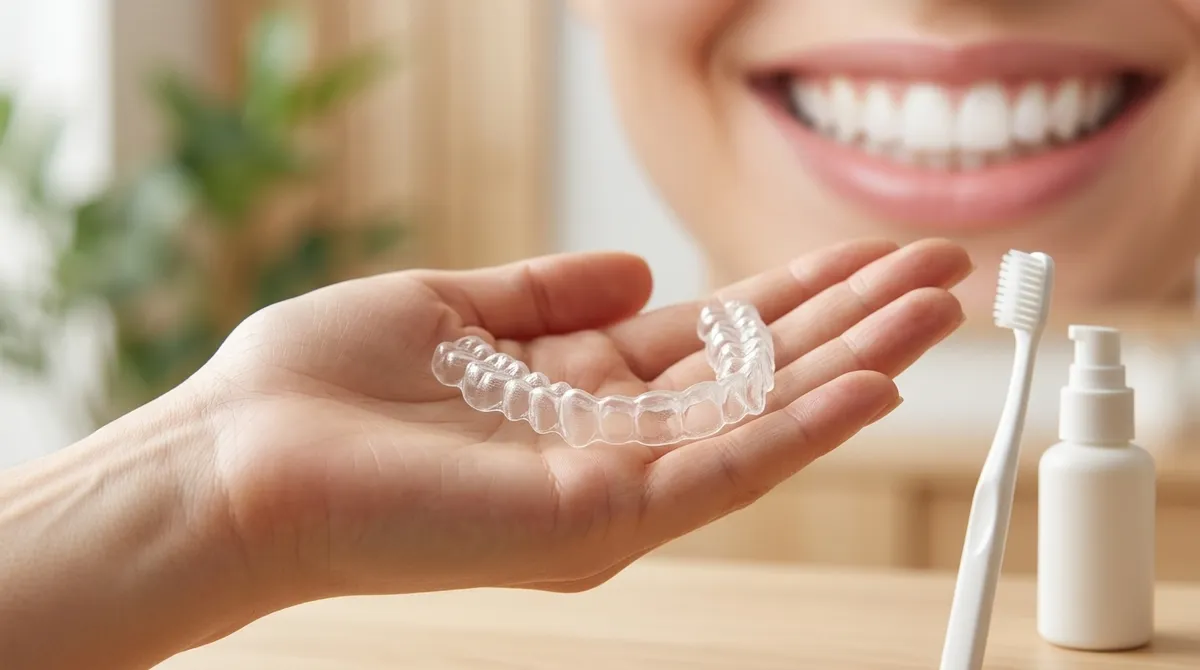
Key Takeaways
-
Wear your retainer full-time for 4-6 months after treatment, then nightly long-term; skipping wear even for weeks can cause teeth to drift back within days, potentially requiring retreatment.
-
Both fixed (bonded wire) and removable (clear or Hawley) retainers are equally effective—choose based on your lifestyle; fixed retainers suit forgetful patients while removable ones are easier to clean.
-
Retainers only maintain teeth position; they cannot straighten significantly shifted teeth, so consistent wear prevents the need for costly retreatment.
-
Clean removable retainers by rinsing after removal, brushing gently with soft toothbrush and mild soap, and soaking in cleaning solution; store in a case away from heat to prevent warping.
-
If your retainer feels tight after missed wear, contact your orthodontist immediately—don't force it—as this signals teeth have already begun shifting.
-
Custom-made retainers are designed specifically for your teeth using digital impressions; replacement may be needed every 1-3 years for clear retainers or 5-10 years for Hawley retainers.
You just finished braces or clear aligners. Your smile looks amazing. Now what? Your orthodontist hands you a dental retainer and says, “Wear this.” But why? And how long do you really need it?
Whether you’re a teenager wrapping up treatment, an adult who just completed clear aligners, or a parent navigating orthodontic care for your child, understanding retainers is a big deal. Skipping this step can undo months or years of work — and nobody wants that.
This guide breaks down 12 essential facts about dental retainers so you know exactly what to expect. Let’s make sure that beautiful smile stays put for life!
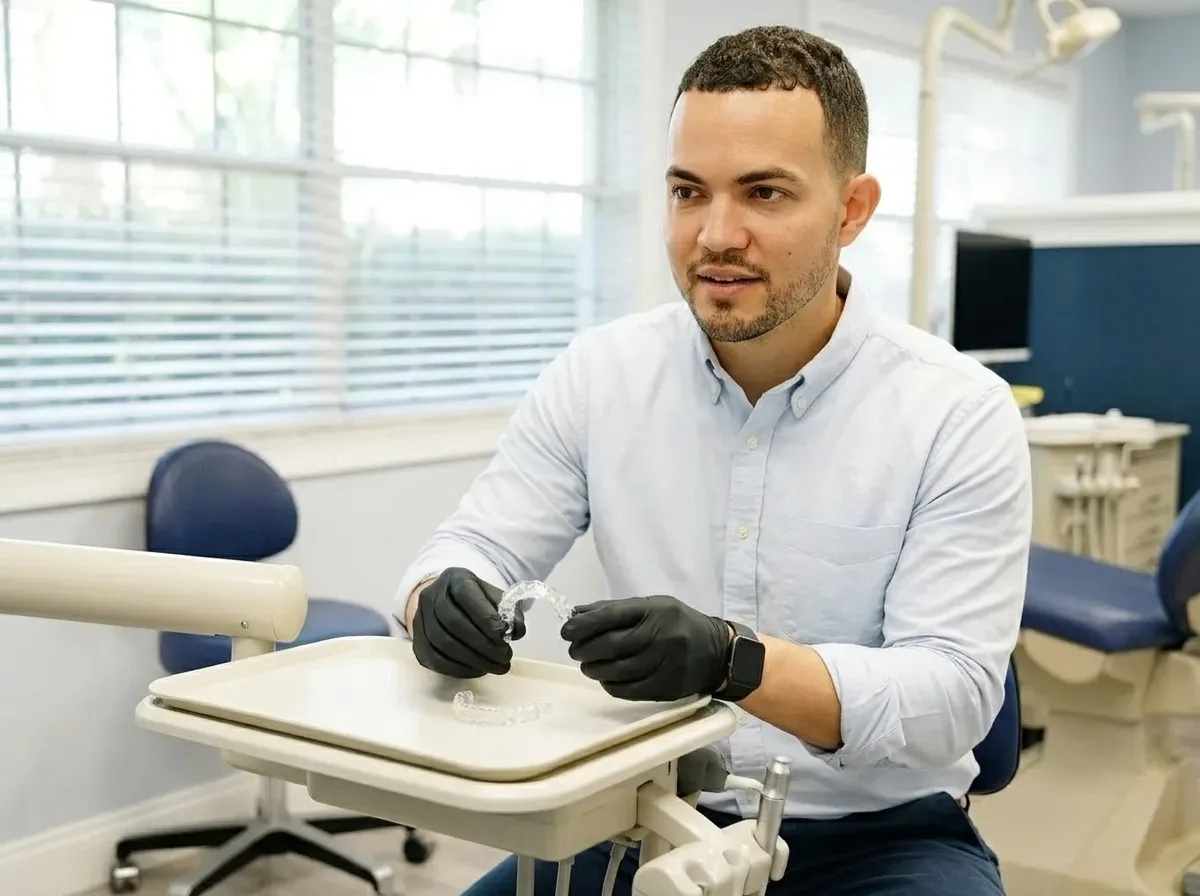
What Is a Dental Retainer and Why Do You Need One?
A dental retainer is a custom-made appliance designed to hold your teeth in their new position after orthodontic treatment. Think of it as the “maintenance phase” of your smile journey. Your braces or aligners moved your teeth — the retainer keeps them there.
Teeth have a natural tendency to drift back toward their original positions. This is called orthodontic relapse. Without a retainer, that drift can start within days of finishing treatment. A retainer prevents that from happening. You can learn more about this process at what retainers do after braces or aligners.
12 Key Facts About Your Dental Retainer
1. Retainers Maintain — They Don’t Move Teeth
This is one of the most common misconceptions. A dental retainer is NOT designed to straighten your teeth. It holds them in place after active treatment is complete. If your teeth have already shifted significantly, you may need to restart treatment — not just wear a retainer.
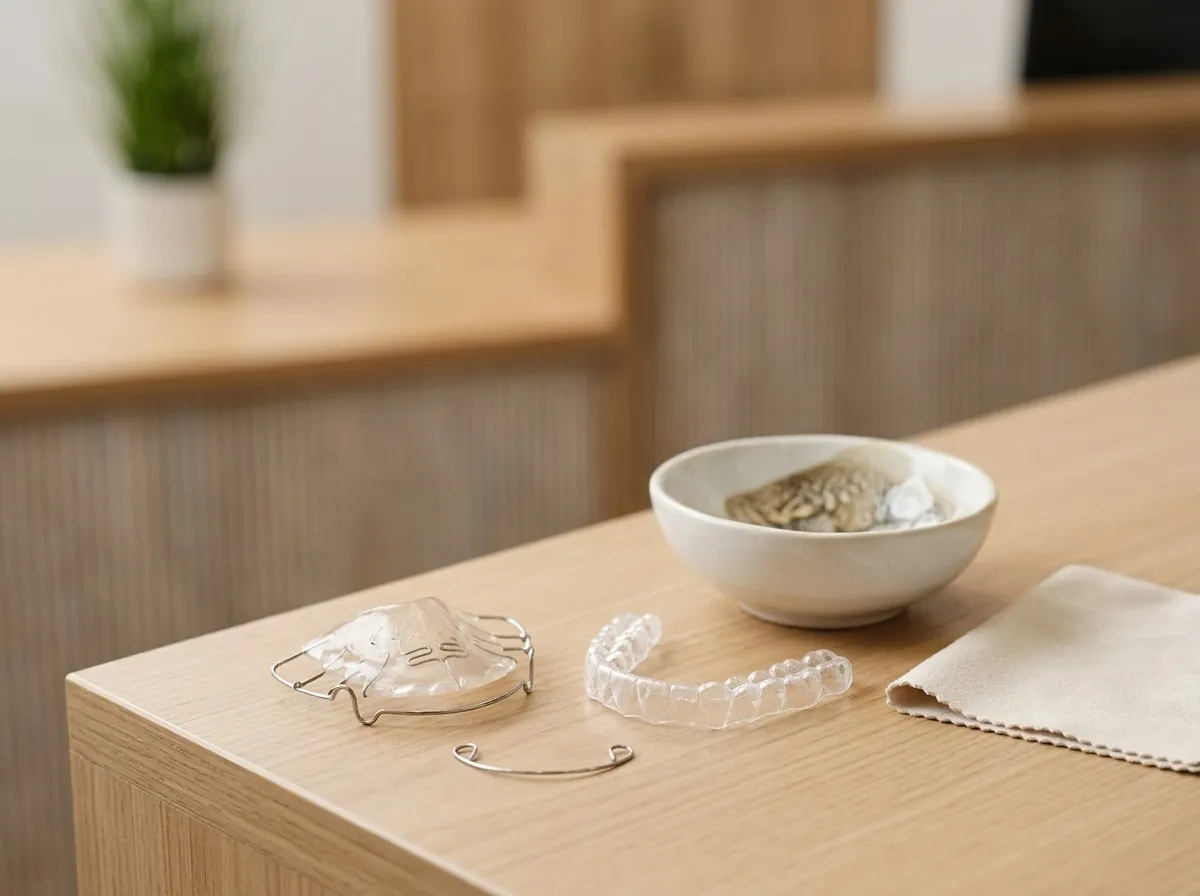
2. There Are Two Main Types of Retainers
Not all retainers are the same. Here’s a quick breakdown of the two main categories:
- Removable retainers – These can be taken out for eating, brushing, and flossing. They come in clear plastic (Essix-style) or wire-and-acrylic (Hawley-style) designs.
- Fixed/bonded retainers – These are thin wires bonded to the back of your front teeth. You can’t remove them yourself, and they work around the clock.
- Combination approach – Some patients use both a fixed retainer on lower teeth and a removable retainer on upper teeth.
Not sure which type is right for you? Learn more about the Hawley retainer to compare your options.
3. Fixed vs. Removable Retainers: A Side-by-Side Look
Here’s a handy comparison to help you understand both options:
| Feature | Fixed Retainer | Removable Retainer |
|---|---|---|
| Convenience | Always in place | Must remember to wear it |
| Cleaning | Requires floss threader | Easy to clean separately |
| Visibility | Hidden behind teeth | Slightly visible (clear is minimal) |
| Effectiveness | Great for incisor alignment | Excellent for full arch retention |
| Durability | Can break over time | May need replacement every few years |
| Best for | Patients prone to forgetting | Motivated patients |
Research in orthodontic literature shows no statistically significant long-term difference between fixed and removable retention systems for most alignment measures. Your orthodontist will recommend what fits your specific case best.
4. The American Association of Orthodontists Supports Both Options
The American Association of Orthodontists notes that removable retainers are the most common post-treatment option. However, orthodontists may recommend a removable retainer, a fixed retainer, or both — depending on your unique bite, tooth movement, and lifestyle. There’s no one-size-fits-all answer here!
5. How Long You Need to Wear a Retainer May Surprise You
Many patients expect to wear a retainer for just a few months. The reality? Most orthodontists recommend long-term or even lifelong wear. Here’s a general timeline:
- Months 1–6: Full-time wear (day and night) immediately after finishing treatment.
- Months 6–12: Transition to nighttime-only wear as directed by your orthodontist.
- Year 1 and beyond: Nightly wear long-term to prevent any shifting.
According to Cleveland Clinic, patients may need to wear a retainer full-time for 4–6 months after braces, then at night for the long term. And clinical research suggests that part-time use of about 10 hours per day can be enough to maintain results in some cases. Always follow your orthodontist’s specific recommendations.
6. What Happens If You Stop Wearing Your Retainer
Life gets busy. Retainers get left on napkins at restaurants (it happens more than you think!). But skipping retainer wear — even for a few weeks — can have real consequences. Here’s what can happen:
- Teeth begin to drift back toward their original positions
- Spacing or crowding can return gradually
- Your bite alignment may shift
- You may need to restart orthodontic treatment
- Your retainer may no longer fit properly
If your retainer feels tight when you put it back in, that’s actually a sign your teeth have already started to move. Wear it gently — and call your orthodontist. Don’t force it! See 7 things you must know about orthodontic retainers for more guidance.
7. Retainer Wear Schedules by Patient Type
Different patients have different needs. Here’s a simple breakdown:
| Patient Type | Recommended Wear Schedule | Notes |
|---|---|---|
| Teens (active growth) | Full-time initially, then nights | Growth can cause more shifting |
| Adults (post-braces) | Full-time 4–6 months, then nights | Bone stabilizes slower in adults |
| Adults (post-aligners) | Same as post-braces | Same retention principles apply |
| Young children (early treatment) | As directed per phase | May need retainers between phases |
Adults seeking discreet orthodontic care can explore adult orthodontics options that include clear aligner treatment and proper retention planning from the start.
8. Cleaning Your Retainer Is Simple but Important
A dirty retainer can harbor bacteria and lead to bad breath or even tooth decay. Keeping yours clean doesn’t have to be complicated. Here’s how to do it right:
- Rinse it immediately after removing it — don’t let saliva dry on it.
- Brush it gently with a soft toothbrush and mild soap or retainer cleaner (avoid toothpaste, which can be abrasive).
- Soak it regularly in a retainer cleaning solution or diluted white vinegar to kill bacteria.
- Store it in its case whenever it’s not in your mouth — never wrap it in a napkin!
- Keep it away from heat — hot water, dashboards, and microwaves can warp the plastic.
For fixed retainers, use a floss threader or water flosser to clean around the wire daily. Want the full guide? Read how to care for your retainers after braces.
9. The Dental Retainer Market Is Growing Fast
Here’s an interesting fact: the U.S. orthodontic retainer market was valued at USD 667.99 million in 2024 and is projected to reach USD 1,270.29 million by 2032 — a CAGR of 8.37%. That’s a sign of just how many people are completing orthodontic treatment and prioritizing long-term smile maintenance. You’re in great company!
10. When You May Need a Replacement Retainer
Retainers don’t last forever. Here are the most common reasons patients need a new one:
- The retainer is cracked, warped, or broken
- It no longer fits snugly due to tooth movement
- It has discoloration or odor that cleaning won’t fix
- A fixed retainer wire has come loose or broken
- It’s been lost (yes, the napkin incident is real!)
Replacement costs can vary. If you’re concerned about orthodontic expenses, check out our resource on braces costs and pricing breakdowns for a fuller picture of what treatment and retention may involve.
11. Can a Retainer Move Teeth Back Into Place?
This is a big question we hear all the time. If you’ve had minor shifting (like teeth that feel slightly tight when you put the retainer back in), wearing your retainer consistently may gently guide them back. However, if shifting has been significant, a retainer alone won’t correct it. You’d need active orthodontic treatment again — either braces or clear aligners.
The key takeaway? Wear your retainer consistently so you never have to find out the hard way! Check out 12 things you must know about your retainer after braces for a deeper dive.
12. Your Orthodontist Designs Your Retainer for Your Unique Smile
Every dental retainer is custom-made using digital impressions or molds of your teeth. At a practice like Torres Orthodontics, advanced technology is used to create retainers that fit precisely and comfortably. No generic, one-size-fits-all appliances here. Your retainer is as unique as your smile.
You can explore the advanced technology used at Torres Orthodontics to see how digital impressions and 3D treatment planning make retention more accurate than ever before.
Retention Options: A Quick Comparison Chart
| Retainer Type | How It Works | Average Lifespan | Ideal Candidate |
|---|---|---|---|
| Clear Essix Retainer | Fits snugly over teeth like an aligner | 1–3 years | Those who want discretion |
| Hawley Retainer | Wire across front teeth, acrylic base | 5–10 years | Durable, adjustable option seekers |
| Fixed/Bonded Retainer | Wire bonded to back of teeth | 10+ years (with care) | Patients who may forget to wear |
Tips for Making Retainer Wear a Habit
The hardest part about retainers? Remembering to wear them. Here are some simple tricks that actually help:
- Put your retainer case on your nightstand as a visual reminder
- Set a phone alarm for the same time each night
- Keep a spare case in your bag or backpack
- Pair retainer wear with another nightly habit like brushing your teeth
- Check in with your orthodontist regularly to stay accountable
Teens especially can benefit from making retainer wear part of their nighttime routine right from the start. Parents — this is a great habit to help reinforce at home! For more parenting tips on orthodontic care, read braces for kids: what every parent should know.
When Should You See Your Orthodontist About Your Retainer?
Regular check-ins with your orthodontist keep your retention on track. Here’s when to book an appointment sooner rather than later:
- Your retainer feels tight or uncomfortable after missing wear
- You notice a crack, warp, or break in the retainer
- A fixed retainer wire has come loose from a tooth
- Your retainer is lost or damaged beyond use
- You notice your teeth look or feel like they’re shifting
Don’t wait! Early action prevents bigger problems down the road. The team at Torres Orthodontics is always ready to help patients in Tampa, Miami Lakes, and Boca Raton with all their retainer needs. If you’re in the Miami Lakes area, visit us on Google — Torres Orthodontics Miami Lakes to see what our patients are saying about their experience.
For adults who finished treatment and want to make sure their smile lasts, explore 7 things to know about adult orthodontics in 2026 for helpful insights on long-term oral health.
You can also follow along with tips, patient stories, and smile transformations on the Torres Orthodontics Instagram page and catch educational videos on the Torres Orthodontics YouTube channel to stay inspired throughout your retention journey.
Your Smile Deserves to Last a Lifetime
A dental retainer is one of the simplest, most powerful tools in orthodontic care. It’s the final step that protects everything you’ve worked so hard to achieve. Wear it consistently, care for it properly, and check in with your orthodontist when needed.
Remember: orthodontic treatment is an investment in your health, your confidence, and your future. The retainer is what makes that investment last. Whether you just finished braces or are thinking ahead to life after clear aligners, knowing these 12 facts gives you a real advantage.
Ready to take the next step in your smile journey? Schedule your appointment with Torres Orthodontics today — and let’s make sure your smile stays as stunning as the day your braces came off. We also encourage you to connect with us on Facebook to join our community and stay up to date with the latest tips and offers!
FAQs
Q: What is a dental retainer used for after braces?
A: A dental retainer is used to keep your teeth in their new, corrected position after braces or clear aligner treatment. Without it, teeth can gradually drift back — a process called orthodontic relapse. Think of it as the guardian of your beautiful new smile!
Q: How long do you have to wear a retainer after orthodontic treatment?
A: Most orthodontists recommend wearing a retainer full-time for the first 4–6 months after treatment, then switching to nightly wear long-term. Many experts suggest wearing your retainer at night indefinitely to keep your smile stable and prevent shifting over time.
Q: Are fixed retainers better than removable retainers?
A: Great question! Research shows there’s no clear long-term winner — both types are effective when used correctly. Fixed retainers are great for patients who might forget to wear a removable one, while removable retainers are easier to clean and maintain. Your orthodontist will recommend the best fit for your lifestyle.
Q: How do you clean and care for a dental retainer?
A: Rinse your removable retainer every time you take it out, brush it gently with a soft toothbrush and mild soap, and soak it regularly in a retainer cleaning solution. Always store it in its case when not in use — and keep it far away from hot temperatures that could warp the plastic!
Q: What happens if you stop wearing your retainer?
A: If you stop wearing your retainer, your teeth can start shifting back toward their original positions — sometimes within just a few weeks. If the retainer feels tight when you try to put it back in, that’s a sign movement has already started. Call your orthodontist right away rather than forcing it back in.


