Key Takeaways
-
Teeth naturally try to shift back after orthodontic treatment due to 'orthodontic relapse' — retainers are essential to prevent this costly regression by maintaining tooth position indefinitely, ideally at night long-term.
-
Fixed retainers require no compliance since they're bonded behind teeth, making them ideal for kids and teens who forget removable ones, but they make flossing harder and can break requiring dental repair.
-
Clear removable retainers offer easy cleaning and flexibility for eating/photos, while Hawley retainers are highly durable and adjustable but visible — choose based on your lifestyle and orthodontist recommendation.
-
Wear removable retainers full-time for the first 4–6 months after treatment, then switch to nightly wear long-term; consistency matters more than retainer type for preventing relapse.
-
Replacement costs range from $100–$500 depending on type, with clear retainers lasting 2–5 years and Hawley retainers lasting 5–10 years — ask if your orthodontist includes retainers in treatment costs upfront.
-
Stopping retainer use allows teeth to shift back significantly; resuming wear can correct mild relapse, but serious cases require retreatment — nightly wear is far more cost-effective than starting orthodontics again.
You just finished braces or clear aligners. Your smile looks amazing. Now your orthodontist hands you a retainer and says, “Wear this every day.” You might be thinking — why do I still need something else? Great question! Retainers for teeth are actually one of the most important parts of your entire orthodontic journey. Without them, your teeth can slowly drift back to where they started. That means all your hard work (and investment!) could be undone.
Here’s the good news: retainers are simple, comfortable, and totally manageable. The tricky part? Choosing the right type for your lifestyle. There are two main categories — fixed retainers and removable retainers — and each one has real pros and cons. In this guide, we’ll break down both options clearly so you (or your child) can feel confident about what comes next after completing orthodontic treatment.
Why Retainers for Teeth Matter So Much
After braces or aligners move your teeth, the surrounding bone, gums, and ligaments need time to settle and stabilize. Think of it like moving furniture — the carpet still has indentations from where things used to sit. Your teeth have a “memory” too, and without a retainer, they’ll try to shift back. This is called orthodontic relapse, and it happens more often than most people expect.
Retainers are designed specifically to maintain tooth position after orthodontic treatment — not to move teeth further. They hold everything in place while your body adjusts to the new alignment. If you want to learn more about why this phase is so critical, check out what retainers do after braces or aligners for a deeper dive.
The 3 Main Types of Retainers
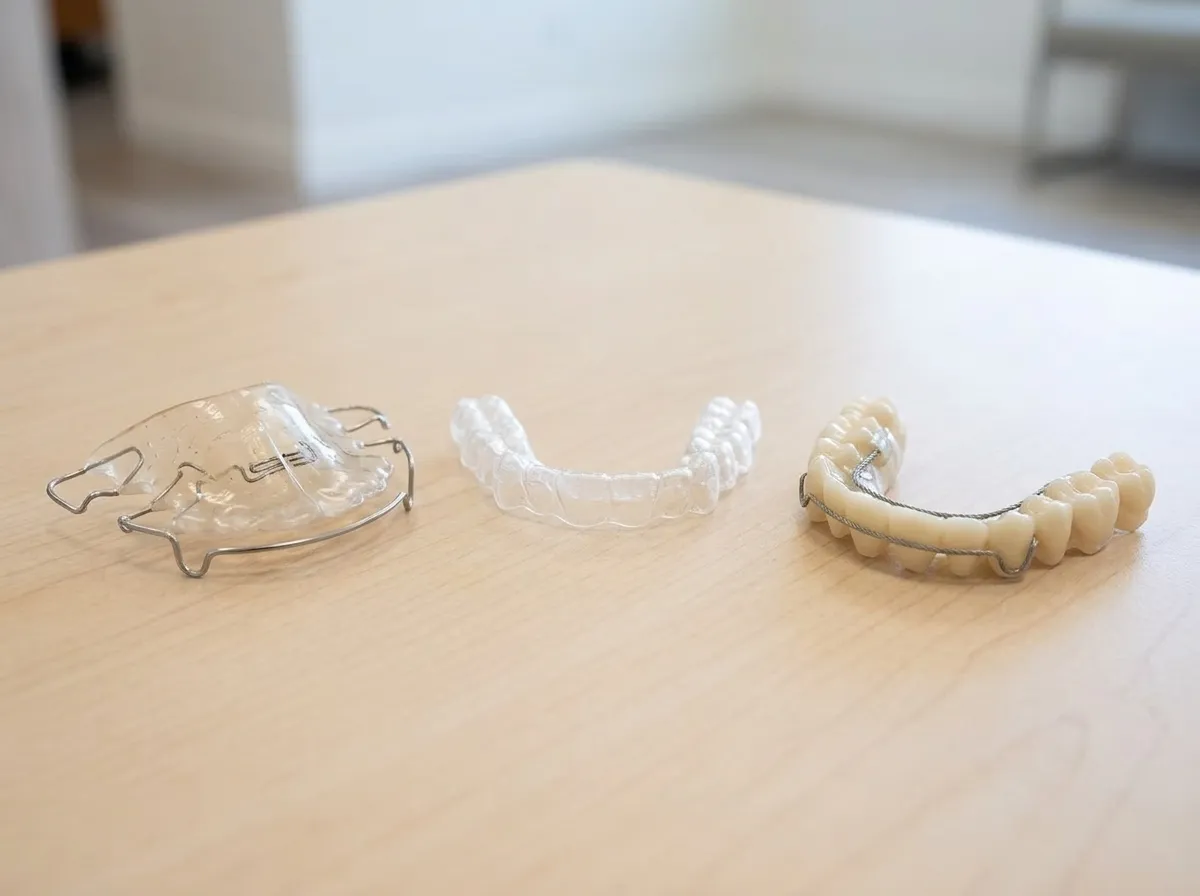
Before we compare fixed and removable options head-to-head, let’s quickly cover the three most common retainer types your orthodontist might recommend.
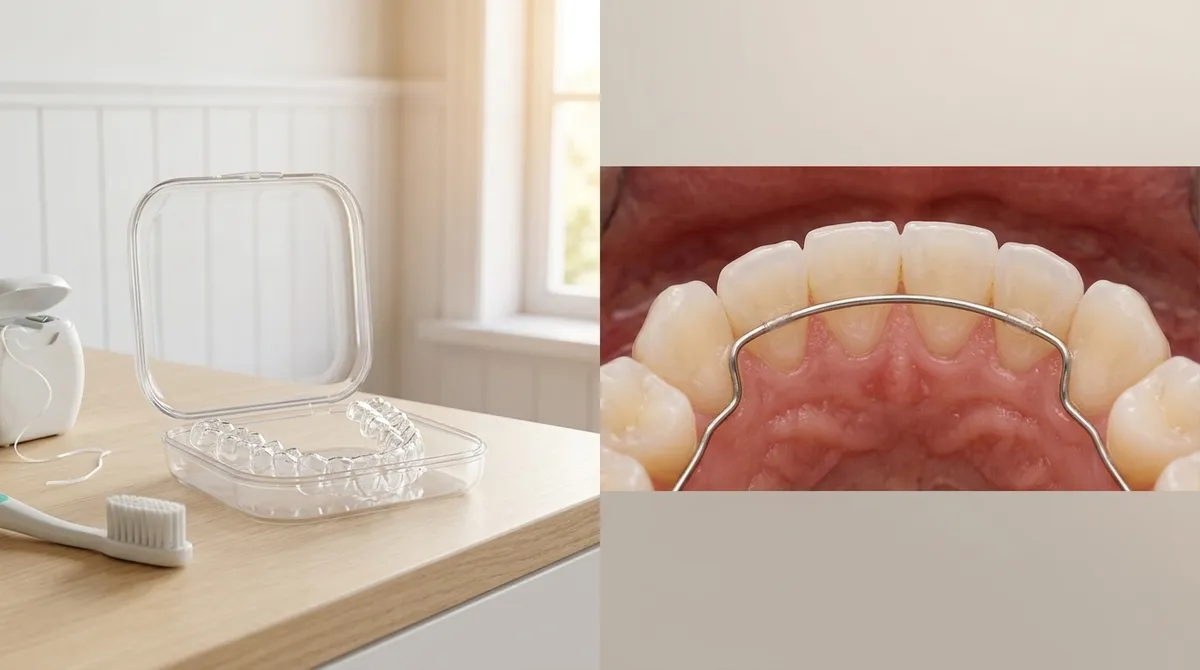
- Clear Plastic Retainers — These look similar to clear aligners and fit snugly over your teeth. They’re nearly invisible and very popular among teens and adults.
- Hawley Retainers — These are made from acrylic and metal wire. They’re durable, adjustable, and have been used for decades. You may recognize them as the classic retainer with a wire across the front.
- Fixed (Bonded) Retainers — These are thin metal wires bonded directly to the back (lingual) surfaces of your front teeth. They stay in permanently until a dentist removes them.
Each type serves the same purpose — keeping your teeth straight — but they work very differently in day-to-day life. To explore all the details about each option, visit the orthodontic retainers page at Torres Orthodontics.
Fixed Retainers: Pros, Cons, and What to Expect
Fixed retainers, also called bonded or permanent retainers, are attached to the inside of your teeth. You can’t take them out, which means you never have to worry about forgetting to wear them. They’re typically placed behind the lower front teeth, though upper fixed retainers are used in some cases too.
What Makes Fixed Retainers a Good Choice
- You can’t forget to wear them — compliance is never an issue
- They’re completely hidden from view
- Great for people who tend to lose things (especially kids and teens!)
- Studies suggest fixed retainers may better preserve incisor alignment in the first 6 months after treatment
- No daily routine changes required
The Downsides of Fixed Retainers
- Harder to floss around — you’ll need floss threaders or a water flosser
- Plaque and tartar can build up more easily near the wire
- The wire can break or come loose, requiring a dental visit to repair
- Cannot be removed for special occasions or cleaning
- May not be suitable for all bite types
For parents wondering if a fixed retainer is right for your child or teen, it’s worth reading 12 things you must know about your retainer after braces for helpful context before your next appointment.
Removable Retainers: Pros, Cons, and What to Expect
Removable retainers — whether clear plastic or Hawley-style — give you the flexibility to take them out when eating, brushing, or for photos. Most orthodontists recommend wearing removable retainers full-time for the first 4–6 months (sometimes up to a year), then switching to nighttime wear long term.
What Makes Removable Retainers a Good Choice
- Easy to clean — both you and the retainer stay fresher
- No restrictions on food or flossing
- Can be replaced if lost or damaged
- Comfortable for most patients, especially clear retainers
- Great for adults seeking a low-maintenance option after adult orthodontic treatment
The Downsides of Removable Retainers
- Requires discipline — if you don’t wear it, it won’t work
- Can be lost, broken, or accidentally thrown away (it happens!)
- May feel bulky at first, especially Hawley retainers
- Clear retainers can warp if exposed to heat
- Replacement costs can add up over time
Side-by-Side Comparison: Fixed vs. Removable Retainers
| Feature | Fixed Retainer | Removable Retainer |
|---|---|---|
| Visibility | Hidden (behind teeth) | Nearly invisible (clear) or visible (Hawley) |
| Compliance Required | None — always in place | High — must remember to wear it |
| Oral Hygiene | More challenging to floss | Easy — remove to brush and floss |
| Durability | Long-lasting but can break | May need replacement every few years |
| Best For | Consistent long-term retention | Flexible lifestyles and easy cleaning |
Hawley vs. Clear Retainers: A Closer Look
Within the removable category, patients often choose between Hawley retainers and clear plastic retainers. Both work well, but they have different feels and price points. Here’s a quick breakdown to help you decide.
| Feature | Hawley Retainer | Clear Plastic Retainer |
|---|---|---|
| Material | Acrylic + metal wire | Clear plastic/polyurethane |
| Appearance | Visible wire across front | Nearly invisible |
| Adjustability | Can be adjusted by orthodontist | Not adjustable |
| Durability | Very durable, long-lasting | Can crack or warp over time |
| Replacement Cost | ~$150–$300 | ~$100–$250 |
If you’re curious about the Hawley option specifically, you’ll love this detailed breakdown: What Is a Hawley Retainer and Do You Need One? — it covers everything from construction to cost in plain, easy language.
How Long Do You Need to Wear Retainers for Teeth?
This is one of the most common questions patients ask after finishing braces or clear aligners. The honest answer? A very long time — possibly forever. But don’t let that scare you!
Here’s a general timeline that most orthodontists follow:
- Months 1–6 (Active Retention Phase): Wear your retainer full time, taking it out only to eat, drink (anything other than water), and brush. Some orthodontists extend this to 12 months depending on your case.
- Months 6–12 (Transition Phase): Many patients move to nighttime-only wear after the initial stabilization period. Your orthodontist will guide this transition based on your specific teeth.
- Long Term (Maintenance Phase): Nighttime wear becomes your new normal. Most orthodontists recommend this indefinitely to prevent relapse over the years.
Research shows that after the first year, different retention protocols tend to produce similarly stable results. The key is consistency — whatever type of retainer you use, wearing it regularly is what actually works. For more tips on staying on track, check out 7 things you must know about orthodontic retainers.
How to Care for Your Retainer the Right Way
Taking care of your retainers for teeth is just as important as wearing them. Poor hygiene can lead to plaque buildup, bad odors, and even damage to the appliance. Here are the essentials for keeping your retainer in great shape:
- Rinse it every time you remove it — warm water keeps bacteria from settling in.
- Brush it gently daily — use a soft toothbrush and mild soap (avoid toothpaste, which can scratch clear retainers).
- Store it in its case — this prevents loss, warping, and accidental damage.
- Keep it away from heat — hot water, car dashboards, and dishwashers can warp clear retainers.
- Visit your orthodontist regularly — they’ll check that your retainer still fits properly and your teeth remain stable.
For a full care guide, how to care for your retainers after braces walks you through every step. You can also follow Torres Orthodontics on Instagram for quick, helpful tips delivered right to your feed.
What Happens If You Stop Wearing Your Retainer?
We hear this scenario a lot: a patient finishes treatment, wears their retainer for a few months, then gradually stops. A year later, they notice their teeth have shifted. Unfortunately, this is very common. Without consistent retainer wear, teeth can and do move — sometimes significantly.
In mild cases, going back to full-time retainer wear can nudge teeth back into place. In more serious cases, a new course of orthodontic treatment may be needed. That’s why it’s so much easier (and more cost-effective!) to simply keep wearing your retainer at night. Curious about what real relapse looks like and how to prevent it? These braces timeline mistakes are eye-opening for patients of all ages.
Replacement Costs: What to Budget For
| Retainer Type | Estimated Replacement Cost | Lifespan |
|---|---|---|
| Hawley Retainer | $150–$300 | 5–10 years with proper care |
| Clear Plastic Retainer | $100–$250 | 2–5 years |
| Fixed/Bonded Retainer | $250–$500 | Many years (until removed) |
Costs can vary depending on your location and provider. Many orthodontic practices, including Torres Orthodontics, include retainers as part of the overall treatment package. Always ask about this upfront so there are no surprises down the road. You can also explore orthodontic financing options to help manage costs over time.
Which Retainer Is Right for You?
The honest answer? It depends on your lifestyle, age, and the specific recommendation from your orthodontist. Here’s a quick summary to guide your thinking:
- Kids and teens who might forget to wear a removable retainer often do best with a fixed retainer — no compliance needed.
- Adults who are disciplined about routines tend to do very well with clear removable retainers, especially after Invisalign treatment.
- Patients with significant spacing or alignment corrections may benefit from the added security of a fixed retainer combined with a removable one for extra protection.
- Anyone with concerns about oral hygiene may prefer removable options for easier cleaning.
The best way to decide is to have an honest conversation with your orthodontist. They know your teeth, your bite, and your habits better than anyone. If you’d like to learn more about the team who’ll be guiding your retention plan, visit our team page.
You can also watch helpful patient education content on the Torres Orthodontics YouTube channel to see retainers explained in a fun, easy-to-follow visual format.
Your Smile Deserves the Right Finish
Retainers for teeth aren’t just an afterthought — they’re the final step that protects everything you worked so hard for during orthodontic treatment. Whether you go with a fixed retainer, a clear removable retainer, or a classic Hawley, the most important thing is wearing it consistently. Your smile is worth protecting!
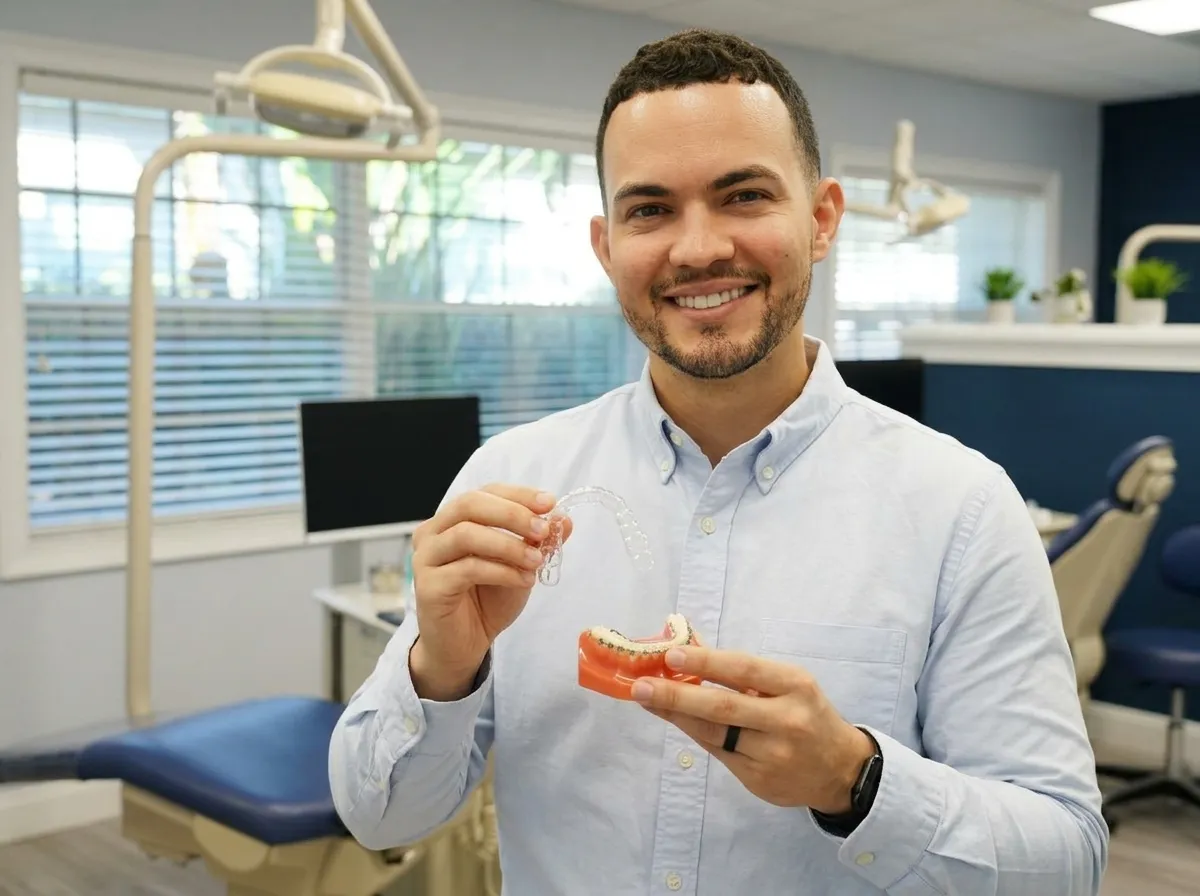
At Torres Orthodontics, our team is here to help you every step of the way — from your first consultation to your last retainer check. Patients in Miami Lakes love the warm, personalized care they receive from Dr. Rodney Torres and his team. Don’t just take our word for it — visit us on Google — Torres Orthodontics Miami Lakes to read real reviews from real patients in the community.
Ready to get started or have questions about your retainer options? We’d love to help you protect that beautiful smile. Book your appointment with Torres Orthodontics today and let’s make sure your smile stays stunning for life. You can also stay connected and get daily inspiration by following us on TikTok @torresortho — we share tips, patient stories, and behind-the-scenes fun!
FAQs
Q: What are retainers for teeth actually used for?
A: Retainers are used to keep your teeth in their corrected positions after braces or clear aligners. They prevent orthodontic relapse — which is just a fancy way of saying your teeth trying to drift back to where they started. Think of your retainer as the guardian of your newly straightened smile!
Q: How long do you need to wear a retainer after braces?
A: Most orthodontists recommend wearing your retainer full-time for the first 4–6 months (sometimes up to a year), then switching to nighttime wear long term. Many people wear their retainers at night indefinitely — and honestly, it’s the best way to protect all that hard work you put into your smile!
Q: Are fixed retainers better than removable ones?
A: Neither is universally better — it really depends on your lifestyle and what your orthodontist recommends. Fixed retainers are great because you can’t forget to wear them, while removable retainers are easier to keep clean. Some patients even use both types together for extra peace of mind!
Q: What happens if you stop wearing your retainer?
A: If you stop wearing your retainer, your teeth can gradually shift back toward their original positions — sometimes more quickly than you’d expect. In mild cases, resuming retainer wear can help. But in more significant cases, additional orthodontic treatment may be needed. That’s why consistent wear is so worth it!
Q: Can retainers straighten teeth, or do they only keep them straight?
A: Retainers are designed to maintain your tooth position, not to move or straighten teeth. If your teeth have shifted significantly, you’d need braces or clear aligners to correct them again. Once your treatment is complete, your retainer steps in as the friendly keeper of your perfect smile!


