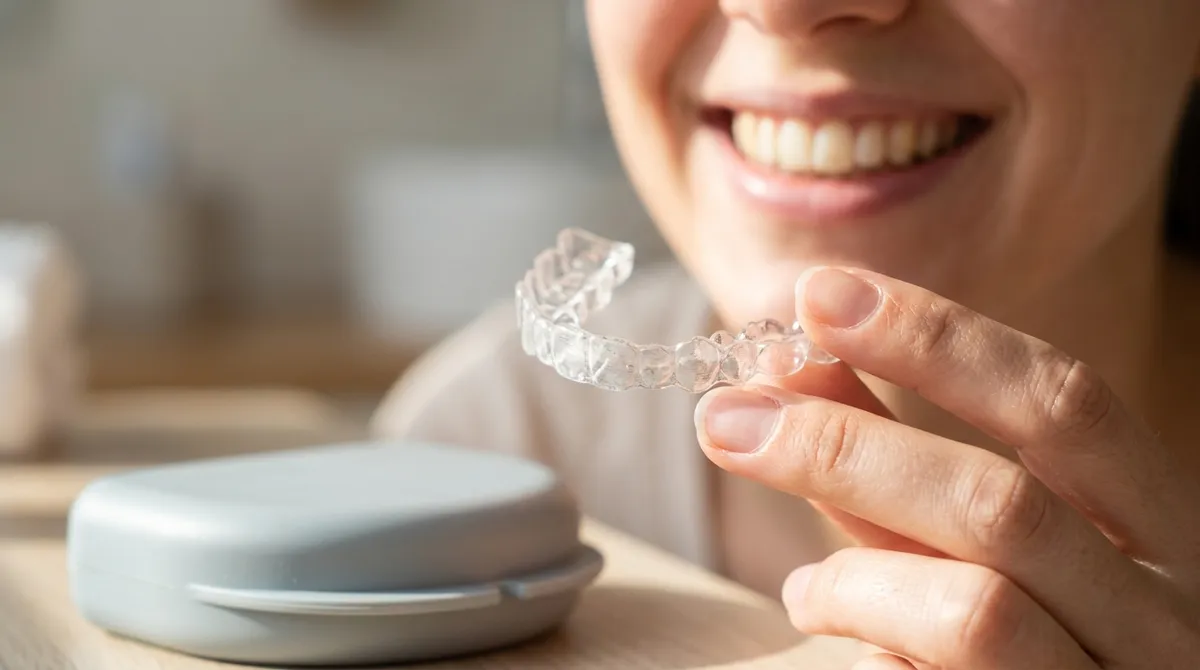
Key Takeaways
-
Teeth naturally drift back to their original positions after braces, making consistent retainer use essential to prevent orthodontic relapse that can undo months or years of treatment investment.
-
Start with full-time retainer wear for 4-6 months after braces, then transition to nightly wear indefinitely; this timeline prevents tooth shifting while becoming a manageable long-term habit.
-
Clear plastic retainers are the most popular choice due to being nearly invisible, comfortable, and easy to remove for eating and cleaning, making them ideal for teens and adults.
-
Protect clear retainers from heat damage by storing them in hard cases, rinsing with cool water only, and keeping them away from hot cars and hot water.
-
If your retainer feels tight after days without wearing it, your teeth have already begun shifting; contact your orthodontist immediately and resume wearing it to prevent further movement.
-
Always remove removable retainers before eating or drinking anything except plain water to prevent food particles from causing cavities, staining, and bacterial buildup underneath.
You just got your braces off. Your smile looks amazing. You feel fantastic. But here’s the thing — your orthodontic journey isn’t quite finished yet. Your retainer after braces is the final, crucial step that keeps all that hard work in place. Think of it as the guardian of your new smile.
Whether you’re a teen who just finished treatment, a parent managing your child’s orthodontic care, or an adult who invested in a straighter smile, this guide is for you. We’re covering everything you need to know — from why retainers matter to how to clean them — so your results last a lifetime. Let’s dive in!
Why You Need a Retainer After Braces
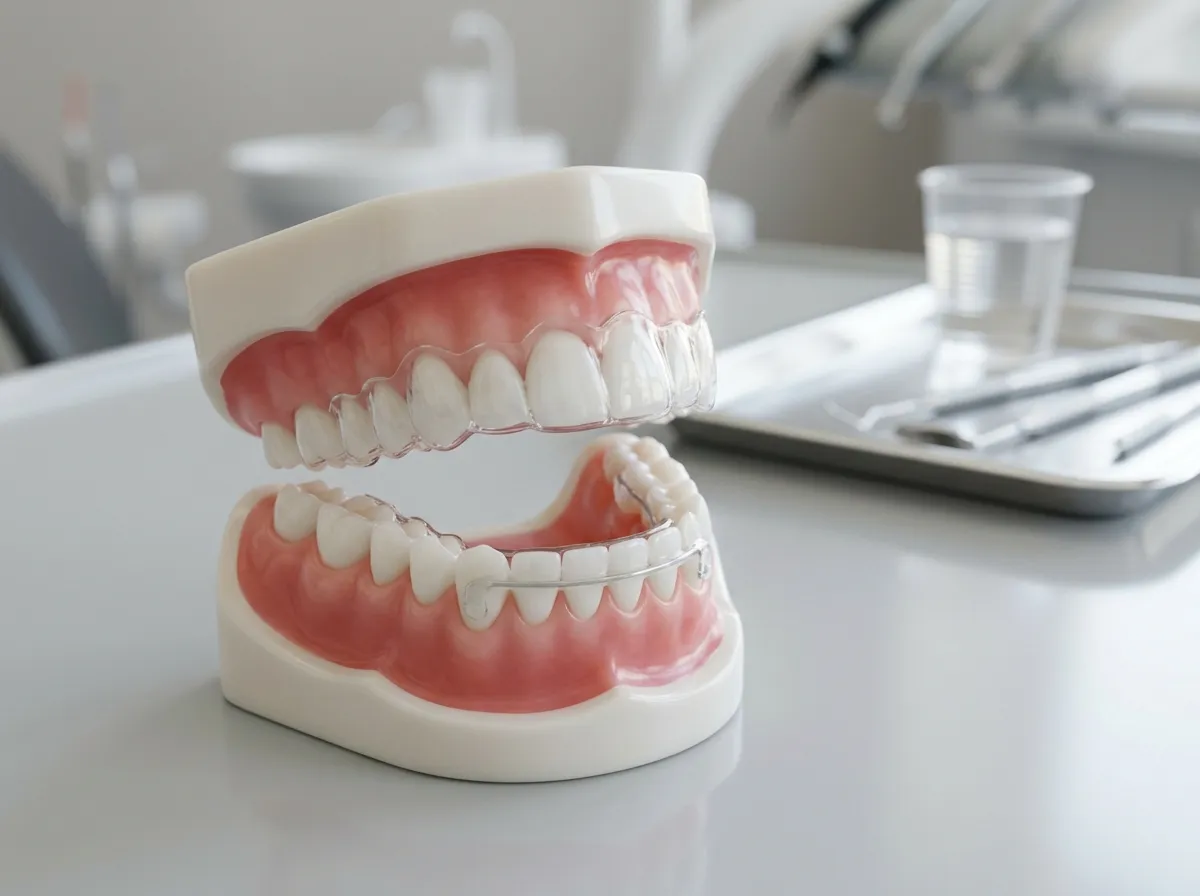
Here’s a surprising fact: teeth naturally want to drift back to where they came from. Even after months or years of wearing braces, your teeth and the surrounding bone need extra time to fully settle into their new positions. This phase is called retention, and it is officially the final stage of orthodontic treatment.
Skipping your retainer can lead to orthodontic relapse — meaning your teeth can shift back, sometimes significantly. All the time and money you invested in braces could be undone without proper retainer use. The good news? Wearing your retainer consistently makes it easy to protect your smile long term.
The 12 Most Important Things to Know About Retainers After Braces
1. Retention Is the Final Step of Orthodontic Treatment
After braces come off, your orthodontist will fit you with a retainer right away. This isn’t optional — it’s a planned part of your overall treatment. The bone and soft tissue around your teeth need time to stabilize after all that movement. Your retainer holds everything steady while that process happens.
2. There Are Three Main Types of Retainers
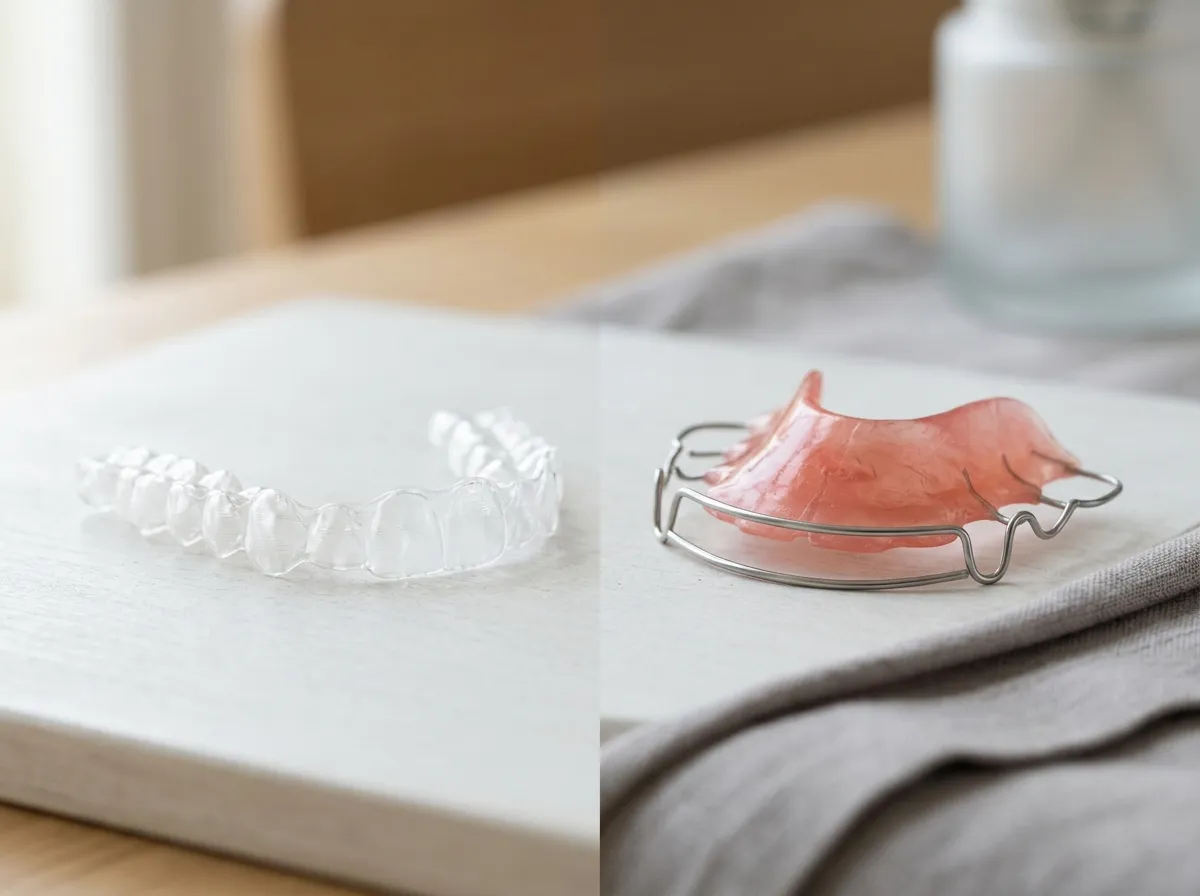
Not all retainers look or work the same way. Your orthodontist will recommend the best type based on your treatment and lifestyle. Here’s a quick breakdown:
| Retainer Type | Material | Removable? | Best For |
|---|---|---|---|
| Clear Plastic Retainer | Clear thermoplastic | Yes | Discreet, low-profile wear |
| Hawley Retainer | Acrylic + metal wire | Yes | Durable, adjustable fit |
| Bonded (Fixed) Retainer | Thin metal wire | No | Permanent, hands-free protection |
Want to learn more about your options? Check out the full guide to orthodontic retainers for a deeper look at each type.
3. Clear Retainers Are the Most Popular Choice
Clear plastic retainers are comfortable, nearly invisible, and easy to remove for eating and cleaning. They’re a favorite among teens and adults alike because they don’t draw attention. Many patients who had clear aligners also prefer clear retainers since they feel familiar and similar in fit.
4. Bonded Retainers Work Around the Clock
A bonded retainer is a thin wire glued to the back of your front teeth. You can’t see it, and you don’t have to remember to put it in. It works 24/7 without any effort on your part. The trade-off is that you’ll need to be more careful with flossing, since the wire makes it a bit trickier. A floss threader or water flosser can make this much easier.
5. Your Wear Schedule Changes Over Time
Most patients start with full-time retainer wear, then gradually transition to nighttime only. Here’s what that timeline typically looks like:
- First 4 to 6 months: Wear your retainer full time (removing only to eat, drink, and brush).
- After 6 to 9 months: Many orthodontists transition patients to nighttime wear only.
- Long term: Nightly wear is often recommended indefinitely to maintain your results.
A 2010 survey of orthodontists cited by Healthline found that many recommended full-time wear for at least 9 months, followed by nightly wear afterward. The Cleveland Clinic advises full-time wear for at least 4 to 6 months, then nighttime wear for life. Your orthodontist will set a personalized schedule for you.
6. Yes, Most People Wear Retainers Long Term
We know — wearing a retainer “forever” sounds like a lot. But here’s the thing: nightly wear becomes second nature very quickly. Think of it like brushing your teeth. It just becomes part of your routine. The payoff — a straight, beautiful smile for life — is absolutely worth it. Many adults actually appreciate this once they understand how easily teeth can shift without support.
Curious about adult orthodontics and long-term care? Our adult orthodontics page covers everything you need to know about maintaining results as a grown-up.
7. What Happens If You Stop Wearing Your Retainer
This is the big one. If you stop wearing your retainer, your teeth will likely shift. It may happen slowly — a little movement here, some crowding there — or it can happen faster than you’d expect. The amount of shift depends on:
- How long you went without braces originally
- Your natural tooth and bone structure
- How consistently you wore your retainer
- Your age (younger patients’ teeth may move faster)
If you notice your retainer feels tight after a few days away from it, that’s a sign your teeth have already started to move. Don’t panic — just start wearing it again and contact your orthodontist if the discomfort continues.
8. How to Clean Your Retainer Properly
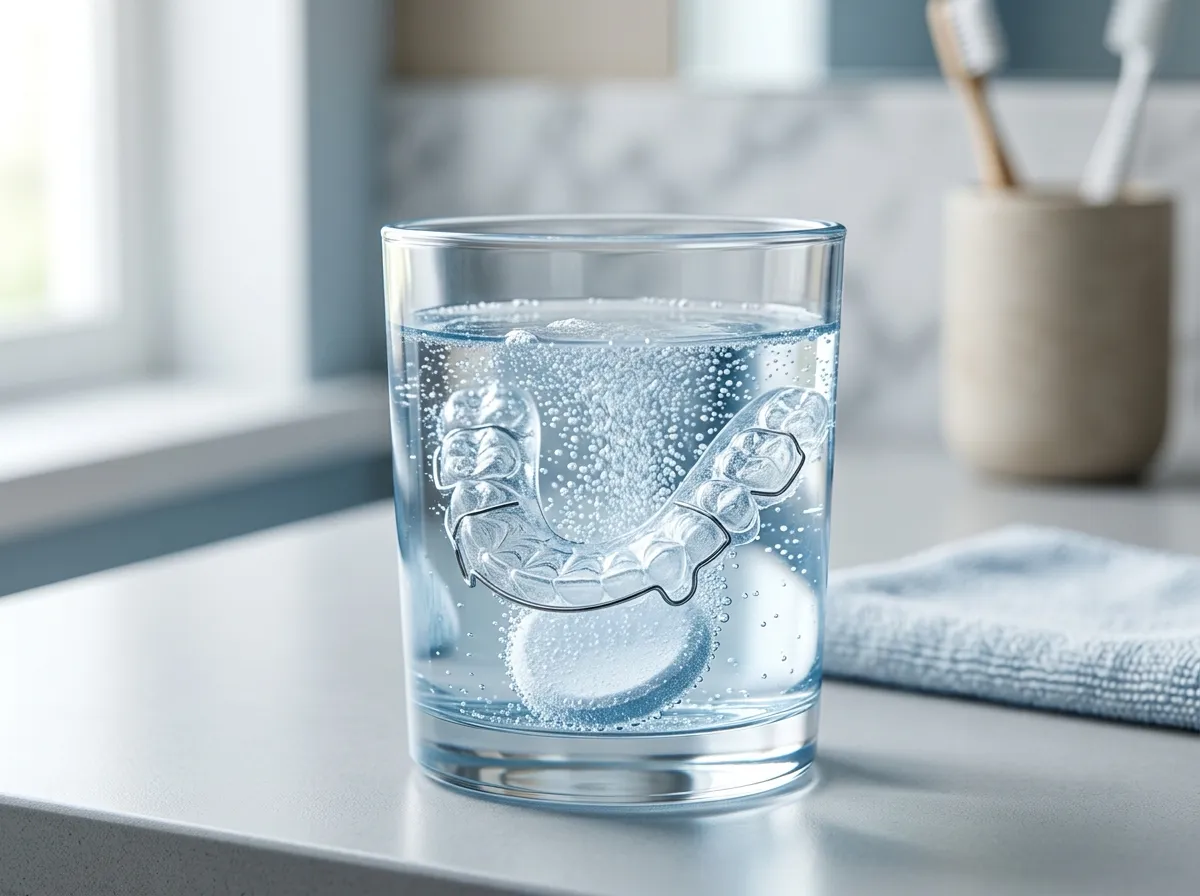
Keeping your retainer clean is just as important as wearing it. A dirty retainer can harbor bacteria and cause bad breath. Here’s a simple cleaning routine to follow:
- Rinse your retainer with cool water every time you remove it.
- Brush it gently with a soft toothbrush and mild soap (avoid toothpaste — it can scratch).
- Soak it in retainer-cleaning tablets a few times per week.
- Rinse thoroughly before putting it back in.
For more detailed tips, visit our guide on how to care for your retainers after braces — it’s packed with practical advice!
9. Protect Your Retainer from Heat
Clear plastic retainers can warp if exposed to heat. This is one of the most common (and easily avoidable) ways people damage their retainers. Keep these dos and don’ts in mind:
| DO | DON’T |
|---|---|
| Store in a hard case when not wearing | Leave in a hot car |
| Rinse with cool or lukewarm water | Wash with hot water |
| Keep away from pets (they love to chew!) | Wrap in a napkin (easy to throw away by accident) |
| Bring it to every orthodontic check-up | Forget it when traveling |
10. You Can Eat and Drink Normally (Just Remove It First)
Removable retainers should always come out before eating or drinking anything other than plain water. Food particles and sugary drinks can get trapped under the retainer and cause cavities or staining. Always store your retainer in its protective case during meals — never wrap it in a napkin or leave it on a table.
11. Replacement Retainers Are Available If You Lose One
Lost or broken retainers happen. The most important thing is to contact your orthodontist as soon as possible so your teeth don’t have time to shift. Replacement retainers are typically available at your orthodontic office. The cost varies but is generally much less than retreatment. This is another reason to protect and store your retainer carefully every single day.
12. Your Orthodontist Will Guide Every Step of the Way
Every patient’s retention plan is different. The type of retainer, wear schedule, and follow-up visits are all customized to your unique smile. Regular check-ins with your orthodontist allow them to catch any early shifting and make adjustments to your plan as needed. Never hesitate to reach out if your retainer feels loose, tight, or uncomfortable.
At Torres Orthodontics, we take the same personalized approach to retention that we bring to every stage of treatment. Dr. Rodney Torres and the team are committed to making sure your smile stays just as beautiful as the day your braces came off. You can visit us on Google — Torres Orthodontics Miami Lakes to read what our patients are saying about their experience with us!
Comparing Retainer Types Side by Side
Still deciding which type of retainer might be right for you? Here’s a comparison to help guide your conversation with your orthodontist:
| Feature | Clear Retainer | Hawley Retainer | Bonded Retainer |
|---|---|---|---|
| Visibility | Nearly invisible | Slightly visible wire | Hidden behind teeth |
| Removable | Yes | Yes | No |
| Durability | Moderate | High | Very high (with proper care) |
| Cleaning ease | Easy | Easy | Requires floss threader |
| Cost to replace | Moderate | Moderate | Requires orthodontist visit |

Tips for Parents Managing Retainer Use at Home
If your child just finished adolescent orthodontic treatment, keeping track of a retainer can feel like a new challenge. Here are some helpful strategies to make it part of the daily routine:
- Set a daily reminder on their phone for retainer wear and removal.
- Keep the retainer case in a consistent, easy-to-find spot (like on the bathroom counter).
- Make it a household rule: retainer goes in with pajamas every night.
- Schedule follow-up orthodontic visits to keep your child accountable and motivated.
- Praise consistency — positive reinforcement goes a long way!
Wondering what other parents are asking about kids and orthodontic care? The article on braces for kids: what every parent should know is a great place to start.
What Happens After Braces for Teens and Adults
Teens finishing braces often need extra encouragement to stick with their retainer wear schedule. Life gets busy, and it’s easy to skip a night here and there. Reminding teens that their retainer protects the smile they worked so hard for can help with motivation. Follow Torres Orthodontics on Instagram for helpful tips, patient stories, and smile inspiration to keep your teen engaged!
For adults who completed treatment — whether with braces or Invisalign — nighttime retainer wear is equally important. Adult teeth can and do shift over time, especially as we age. A quick look at 7 things to know about adult orthodontics in 2026 will give you a great overview of long-term care for your smile.
Common Retainer Mistakes to Avoid
Even the most well-intentioned patients make mistakes with retainers. Here are the most common ones — and how to avoid them:
- Skipping nights “just once”: This habit can snowball quickly. Stick to the schedule every night.
- Not telling your orthodontist about discomfort: If your retainer hurts or doesn’t fit, that’s a signal. Don’t just ignore it.
- Throwing the case away with your retainer inside: Always check before tossing napkins or bags. This is the number-one way retainers get lost!
- Using hot water to clean: This warps the plastic. Always use cool or lukewarm water.
- Not replacing a damaged retainer promptly: A cracked or ill-fitting retainer won’t do its job. Replace it right away.
For even more detailed guidance, the article what do retainers do after braces or aligners? breaks down the mechanics of retention in plain language. And if you’re curious about how to avoid setbacks during your overall treatment journey, check out these 15 braces timeline mistakes that slow down your smile.
You can also find great tips and real patient experiences on the Torres Orthodontics YouTube channel — a fun and visual way to learn about every stage of care, including what to expect after braces.
Your Smile Is Worth Protecting
A retainer after braces isn’t just a small add-on — it’s the step that makes sure your new smile actually lasts. Whether you choose a clear retainer, a Hawley retainer, or a bonded wire, the most important thing is wearing it consistently and caring for it well. Your teeth worked hard to get where they are. Give them the support they deserve!
If you’re in the Tampa or Miami Lakes area and want personalized guidance on retainers or any other aspect of your orthodontic care, the team at Torres Orthodontics is ready to help. From your very first visit to long-term retention, we’re with you every step of the way. Schedule your appointment today and let’s make sure that beautiful smile stays exactly where it belongs!
FAQs
Q: How long do you have to wear a retainer after braces?
A: Most orthodontists recommend full-time wear for the first 4 to 6 months after braces, then nighttime wear for the long term — often indefinitely. Your specific schedule will depend on your case, so always follow the personalized plan your orthodontist sets for you. Think of nightly wear as a small habit with a big reward: a straight smile for life!
Q: What happens if you stop wearing your retainer after braces?
A: If you stop wearing your retainer, your teeth can gradually shift back toward their original positions — a process called orthodontic relapse. This can happen slowly or more quickly depending on your natural tooth structure and how long you skip wear. The best approach is to get back to wearing it as soon as possible and check in with your orthodontist if you notice any changes.
Q: Can you eat with a retainer in your mouth?
A: Removable retainers should always be taken out before eating or drinking anything other than plain water. Leaving them in during meals can cause damage, staining, and bacteria buildup. Always store your retainer safely in its case during meals — your future self will thank you!
Q: What is the best way to clean a retainer after braces?
A: Rinse your retainer with cool water each time you remove it, then brush it gently with a soft toothbrush and mild soap. Avoid hot water and toothpaste, as these can warp or scratch the material. Soaking it in retainer-cleaning tablets a few times a week keeps it fresh and bacteria-free.
Q: Which is better after braces — a removable or bonded retainer?
A: Both types work well, and the best choice depends on your specific needs and lifestyle. Bonded retainers offer hands-free, around-the-clock protection without any effort, while removable retainers are easier to clean and maintain. Many patients end up using both — a bonded wire for the lower teeth and a clear removable retainer for the upper — so ask your orthodontist what combination makes the most sense for you!


