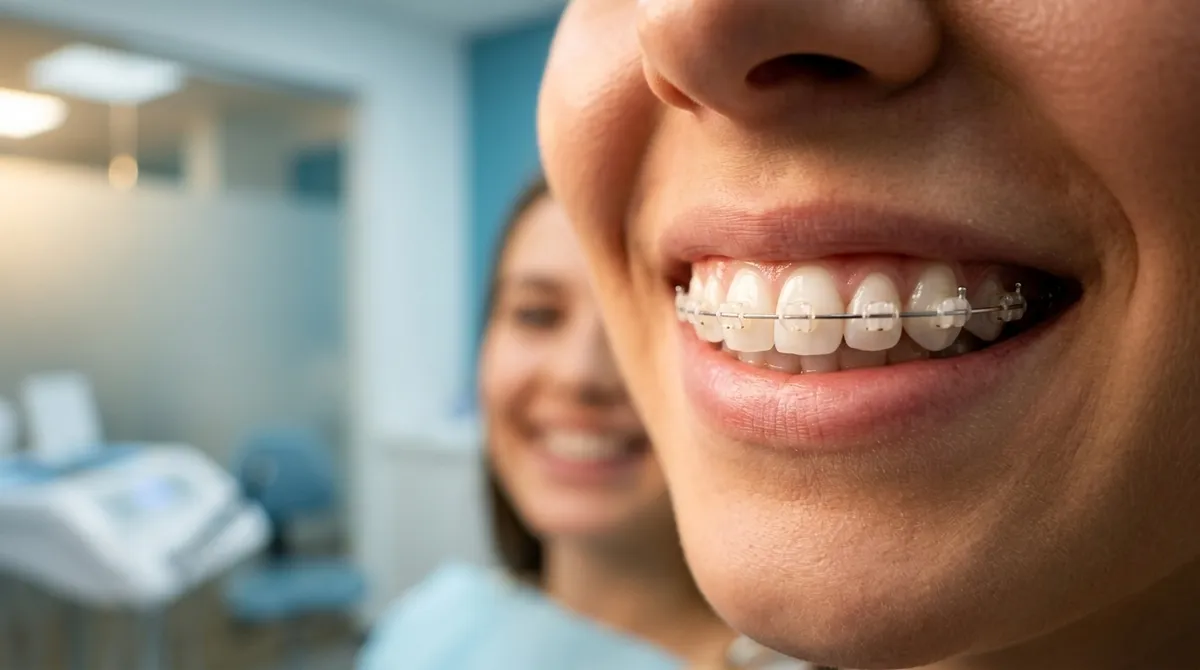
Key Takeaways
-
Braces cost between $3,000-$6,000 depending on type and complexity; many dental insurance plans cover a portion, and flexible payment plans are available to make treatment affordable.
-
The American Association of Orthodontists recommends children have their first orthodontic evaluation by age 7 to spot developing problems early; ages 10-12 are ideal for starting treatment when permanent teeth have emerged.
-
Modern braces come in four main types: traditional metal ($3,000-$5,500), clear ceramic ($3,500-$6,000), LightForce custom 3D-printed ($4,000-$6,000), and clear aligners ($3,500-$6,000), each suited for different needs and lifestyles.
-
Treatment duration varies from 6-12 months for minor cases to 24-36 months for complex jaw issues; attending all appointments and following orthodontist instructions significantly impacts timeline success.
-
After braces are removed, wearing a retainer as directed is crucial to prevent teeth from shifting back; this is the single most important step to protect your orthodontic investment long-term.
-
Daily care during braces includes brushing after every meal, daily flossing, avoiding hard/sticky/crunchy foods, and visiting your orthodontist every 4-8 weeks for adjustments to maintain healthy results.
If you’ve been thinking about braces — for yourself or your child — you’re not alone. Millions of people across the country are on a journey to a healthier, more confident smile. Whether your little one has crowded baby teeth, your teen wants a straighter grin before graduation, or you’re an adult who finally decided it’s your turn, braces can be life-changing. And the good news? Modern orthodontic treatment is more comfortable, more efficient, and more accessible than ever before in 2026.
This guide walks you through everything you need to know about braces — how they work, what types are available, how long treatment takes, and what it costs. Let’s dive in so you can feel confident about your next step toward a beautiful smile.
What Are Braces and How Do They Work?
Braces are orthodontic devices that apply gentle, steady pressure to your teeth over time. This pressure gradually moves teeth into better alignment. It’s a slow and steady process — and it works beautifully. You can learn more about the mechanics on the traditional braces overview page.
The basic components of braces include:
- Brackets: Small squares bonded directly to each tooth
- Archwire: A thin wire threaded through the brackets to guide movement
- Ligatures: Tiny rubber bands or wire ties that hold the wire to the brackets
- Bands: Metal rings placed around back molars for extra anchoring
Over several months to a few years, your orthodontist adjusts the wire to keep the teeth moving in the right direction. Every adjustment brings you one step closer to your goal smile.
Types of Braces Available in 2026
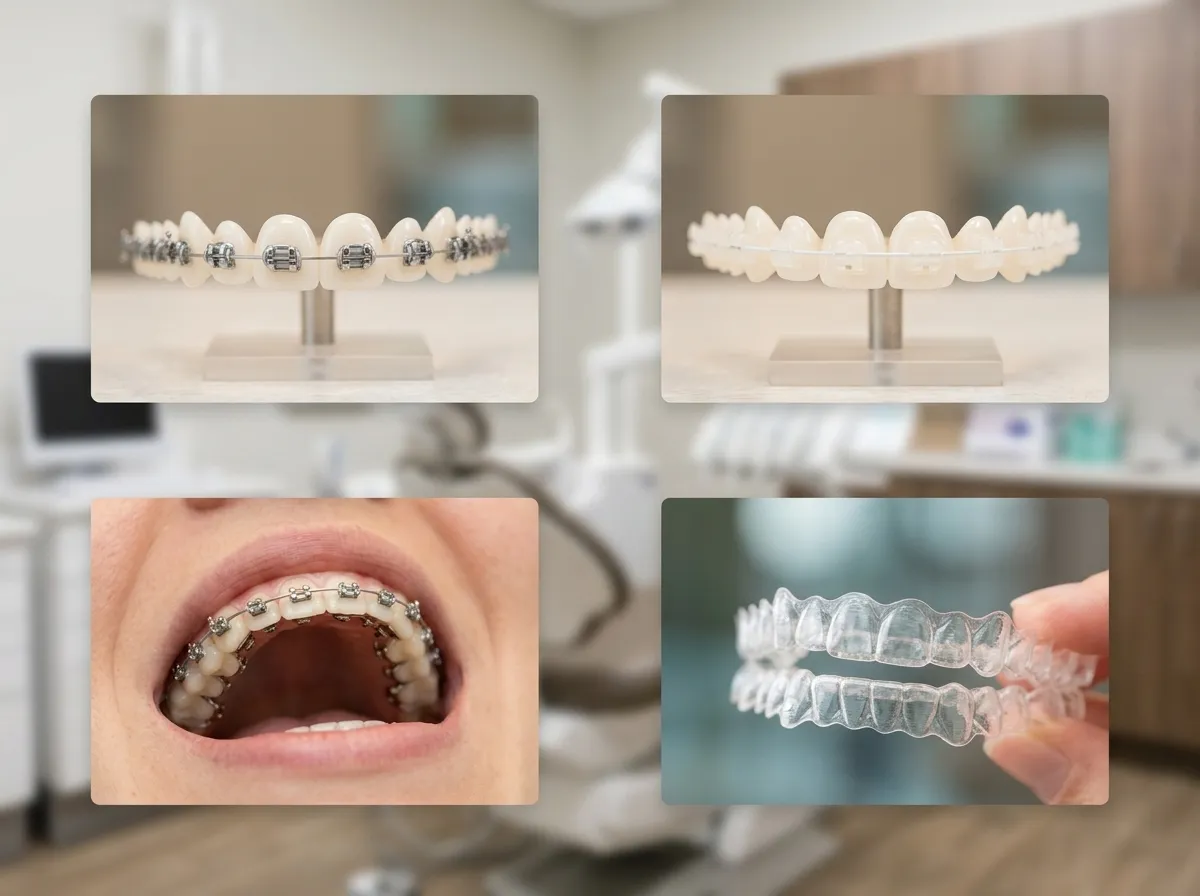
There’s no one-size-fits-all solution in orthodontics. Different types of braces suit different needs, lifestyles, and budgets. Here’s a quick overview of your main options:
| Type of Braces | Best For | Visibility | Estimated Cost Range |
|---|---|---|---|
| Traditional Metal Braces | Kids, teens, complex cases | Visible | $3,000 – $5,500 |
| Clear Ceramic Braces | Teens and adults who want subtlety | Low visibility | $3,500 – $6,000 |
| LightForce Braces | Patients wanting custom precision | Low visibility | $4,000 – $6,000 |
| Clear Aligners | Adults and teens wanting removability | Nearly invisible | $3,500 – $6,000 |
Traditional metal braces remain the most popular option — especially for kids and teenagers — because they’re highly effective and durable. Clear ceramic braces blend more with your natural tooth color. And if you’re curious about innovation, LightForce Braces are custom 3D-printed brackets designed specifically for your teeth. Pretty cool, right?
If removable treatment is more your style, clear aligners like Invisalign offer a nearly invisible alternative to traditional braces. They’re especially popular among adults. You can follow the latest patient transformations on the Torres Orthodontics Instagram page.
Who Needs Braces? Signs to Watch For
Braces aren’t just about looks — they fix real dental health problems. Here are common reasons people get braces:
- Crowded or overlapping teeth
- Gaps between teeth
- Overbite, underbite, or crossbite
- Jaw pain or difficulty chewing
- Teeth that don’t come together properly when biting
- Speech difficulties related to tooth position
The American Association of Orthodontists recommends children have their first orthodontic evaluation by age 7. Early treatment can prevent bigger problems down the road. If you’re a parent wondering when to start, check out braces for kids: what every parent should know for a helpful breakdown.
Braces by Age Group: What to Expect
Young Children (Ages 6–8)
Most children this age don’t need braces yet. But an early orthodontic check can spot developing problems before they become serious. Early treatment — sometimes called Phase 1 — may involve expanders or other appliances. Learn more about expanders for teeth and what parents need to know.
Pre-Teens (Ages 10–12)
This is a great window for starting treatment. Most permanent teeth have come in, and the jaw is still growing — which makes it easier to guide teeth into position. Many kids in this age group begin their braces journey during these years.
Teenagers
Teens are the largest group getting braces today. The teenage years are ideal for orthodontic treatment because the jaw and face are still developing. Options include metal braces, ceramic braces, and even clear aligners. Find the best fit at 3 best braces for teens: options, costs, and results.
Adults
It’s never too late to straighten your smile! In 2026, more adults than ever are choosing orthodontic treatment. Many prefer adult orthodontics options like clear aligners for a discreet experience. Read about why so many adults are getting braces in 2026 — it might surprise you!
How Long Does Braces Treatment Take?
Treatment time varies based on the complexity of your case. Here’s a general timeline guide:
| Case Complexity | Estimated Treatment Time |
|---|---|
| Minor crowding or spacing | 6–12 months |
| Moderate alignment issues | 12–18 months |
| Moderate-to-severe bite problems | 18–24 months |
| Complex jaw or skeletal issues | 24–36 months |
Keep in mind — your own habits play a big role. Attending all scheduled appointments and following your orthodontist’s instructions makes a huge difference. Avoid the common pitfalls by reading about 15 braces timeline mistakes that slow down your smile.
What Does It Cost to Get Braces?
Cost is one of the first questions people ask, and it’s totally understandable. Braces at Torres Orthodontics generally range from $3,000 to $6,000, depending on your treatment type and case complexity. For a full breakdown, visit the complete braces cost guide.
Here are some common ways families make treatment affordable:
- Dental insurance: Many PPO plans cover a portion of orthodontic treatment. Torres Orthodontics accepts Delta Dental, Blue Cross Blue Shield, Aetna, Guardian, MetLife, and UnitedHealthcare.
- Medicaid: Eligible patients can use Medicaid coverage to help reduce out-of-pocket costs.
- Flexible payment plans: Monthly payment options make it easier to fit treatment into your budget. Learn more about how braces payment plans work.
- FSA/HSA accounts: Flexible spending or health savings accounts can often be used to pay for orthodontic treatment.
Orthodontic care should be accessible to every family — and that’s a value deeply held at Torres Orthodontics. The team works hard to find a financial solution that fits your situation. You can also explore orthodontic financing options to make the path to your new smile even smoother.
Life with Braces: What to Expect Day-to-Day
Getting braces is exciting — but it does come with a small learning curve. Here’s what life looks like during treatment:
Foods to Avoid
- Hard foods like popcorn, hard candies, and raw carrots
- Sticky foods like caramel, gummy bears, and chewing gum
- Crunchy snacks that can bend wires or pop brackets off
Daily Care Routine
- Brush your teeth after every meal using a soft-bristled toothbrush
- Floss daily using floss threaders or a water flosser
- Rinse with fluoride mouthwash to strengthen enamel
- Visit your orthodontist every 4–8 weeks for adjustments
- Wear any prescribed rubber bands or appliances as instructed
Good oral hygiene during treatment makes a huge difference in your final results. Take it seriously and you’ll be rewarded with a healthy, gorgeous smile at the end. You can watch helpful tips and patient stories on the Torres Orthodontics YouTube channel.
After Braces: Retainers and Maintaining Your Smile
Once your braces come off, the work isn’t completely done. You’ll need a retainer to keep your teeth in their new positions. This step is crucial — skipping it can cause your teeth to shift back over time.
There are different types of retainers, and your orthodontist will recommend the best one for you. Learn all about them at orthodontic retainers, or read about what retainers do after braces or aligners. Wearing your retainer as directed is the single best thing you can do to protect your investment in your smile.
Technology That Makes Treatment Better
Orthodontic technology has come a long way. At modern practices like Torres Orthodontics, you’ll find tools that make treatment faster, more accurate, and more comfortable. These include:
| Technology | Benefit |
|---|---|
| Digital Impressions | No messy putty — faster and more comfortable scans |
| 3D Imaging | Precise treatment planning for better results |
| LightForce Custom Brackets | Braces tailored perfectly to your tooth shape |
| Clear Aligner Software | Digital simulation to preview your smile outcome |
Curious about the tools used in your treatment? Explore the advanced technology page to see what makes modern orthodontic care so effective. You can also see how 3D dental imaging improves your orthodontic treatment for more detail.
Why Choose Torres Orthodontics for Your Braces?
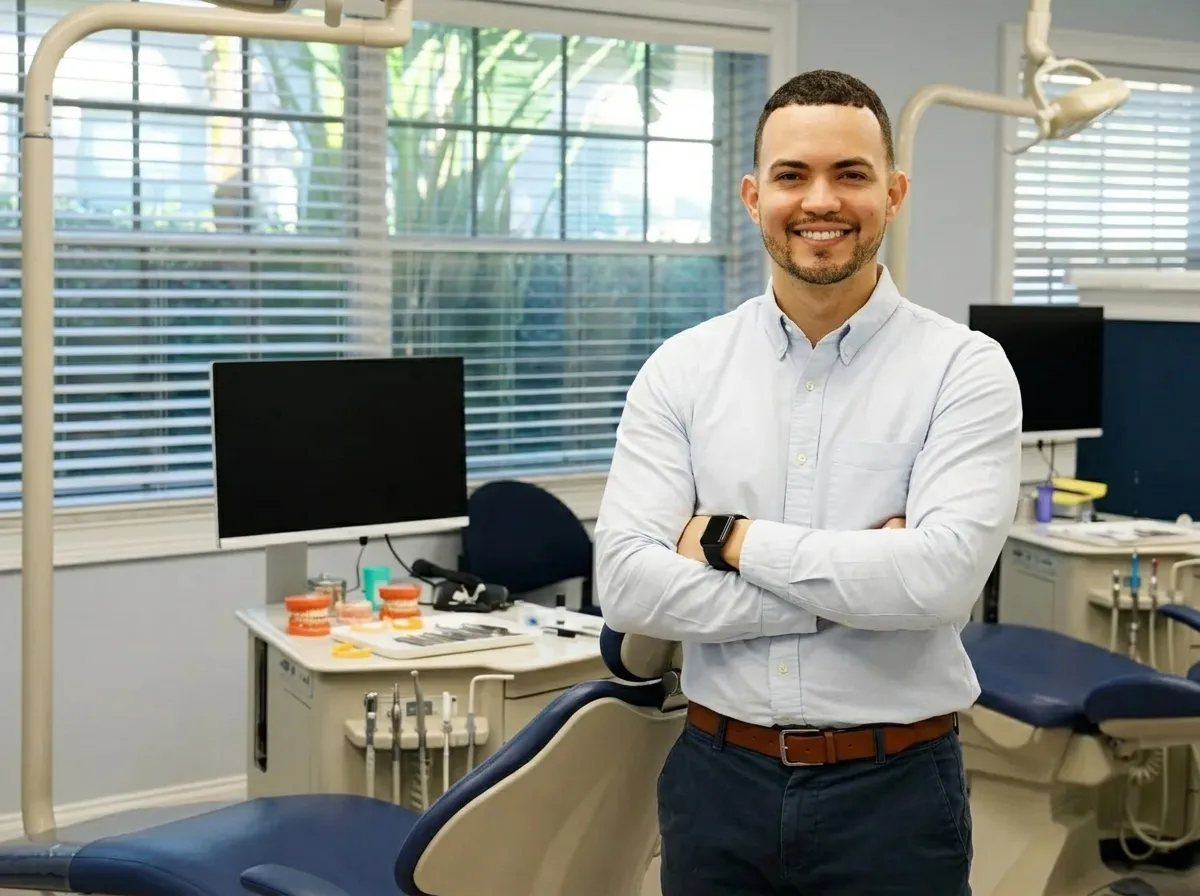
At Torres Orthodontics, every patient is treated like family. Dr. Rodney Torres is a board-certified orthodontist with a passion for creating beautiful smiles in a warm, welcoming environment. With offices in Tampa, Miami Lakes, and Boca Raton, FL, it’s easy to find convenient care near you.
The Miami Lakes office has earned rave reviews from patients of all ages. Visit us on Google — Torres Orthodontics Miami Lakes to read what real patients are saying. And if you’re on social media, you can connect with the team on Facebook for Torres Orthodontics updates.
Every new patient starts with a free smile exam — no commitment required. It’s the easiest way to find out what treatment is right for you or your child. You’ll leave with a clear picture of your options, timeline, and costs. Take a peek at the office tour to see where your smile journey begins.
Ready to Start Your Smile Journey?
Getting braces is one of the best investments you can make in your health and confidence. Whether you’re a parent looking for the right care for your child, a teen ready to transform your smile, or an adult who’s been putting it off for too long — now is the perfect time. The team at Torres Orthodontics is ready to guide you every step of the way with personalized care, cutting-edge technology, and a whole lot of heart.
Don’t wait any longer to take that first step. Schedule your free smile exam today and discover just how easy — and rewarding — your braces journey can be. Your best smile is closer than you think!
FAQs
Q: At what age should my child first see an orthodontist about braces?
A: The American Association of Orthodontists recommends bringing your child in for their first orthodontic evaluation around age 7. Don’t worry — this doesn’t mean they’ll start treatment right away! It just gives the orthodontist a chance to spot any developing issues early and plan ahead for the best results.
Q: Do braces hurt?
A: It’s totally normal to feel some soreness or pressure after getting braces put on or after adjustment appointments — your teeth are moving, after all! Most patients say any discomfort is mild and fades within a day or two. Over-the-counter pain relievers and soft foods like yogurt or mashed potatoes can help you feel more comfortable in those first days.
Q: How much do braces cost, and does insurance cover them?
A: Braces typically cost between $3,000 and $6,000 depending on the type of treatment and complexity of your case. Many dental insurance plans cover a portion of orthodontic treatment, and flexible monthly payment plans are also available to make braces accessible for every budget.
Q: Can adults get braces, or is it just for kids and teens?
A: Absolutely — adults can get braces at any age! In fact, more adults than ever are starting orthodontic treatment in 2026. Whether you choose traditional braces or a more discreet option like clear aligners, it’s never too late to invest in a healthier, more confident smile.
Q: What happens after my braces are removed?
A: After your braces come off, you’ll wear a retainer to keep your newly straightened teeth in place. This is a super important step — without a retainer, teeth can gradually shift back toward their old positions. Your orthodontist will walk you through exactly how long and how often to wear it so your smile stays gorgeous for years to come.


