Key Takeaways
-
Treatment duration typically ranges from 12-36 months depending on case complexity, with an average of 2 years; mild cases finish in 12-18 months while severe cases may take 24-36 months.
-
Traditional braces are superior for complex orthodontic cases because they give orthodontists precise control over individual tooth movement, making them ideal for severe crowding, bite issues, and tooth rotation.
-
Cost averages $3,000-$6,000 in the U.S., with most major insurance plans (Delta Dental, Blue Cross, Aetna, Guardian, MetLife, UnitedHealthcare) and Medicaid accepted; flexible payment plans are available.
-
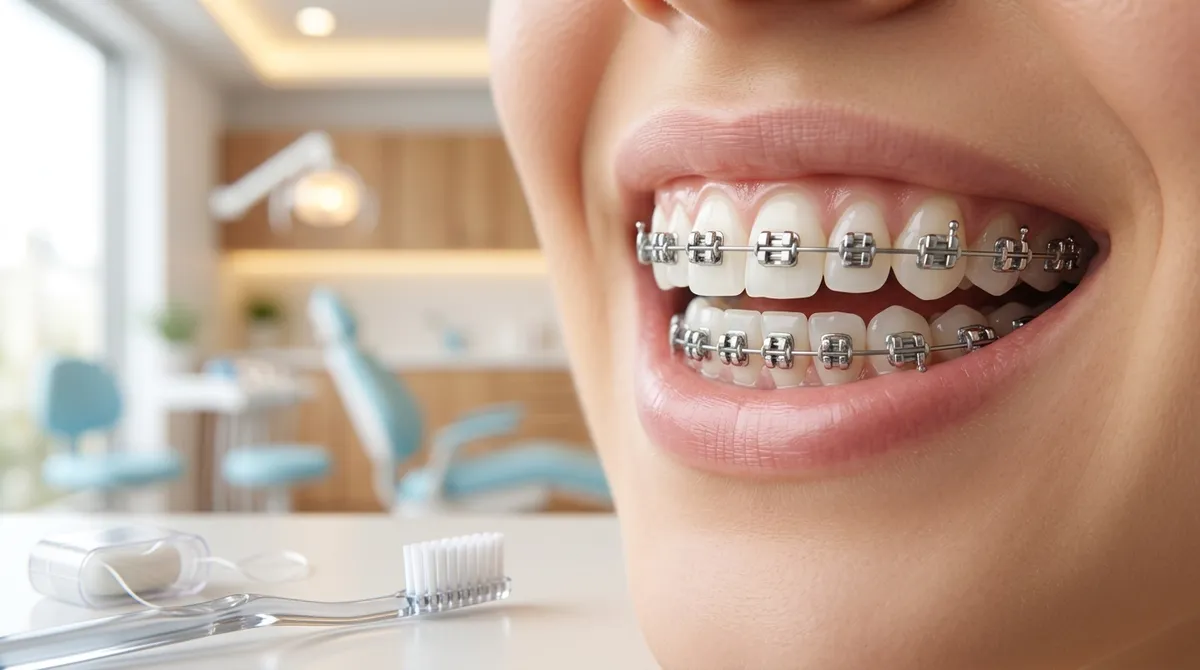
Strict oral hygiene is essential: brush after every meal, floss daily with threaders, use fluoride mouthwash, and attend all adjustment appointments to prevent cavities and maintain treatment progress.
-
Avoid hard, sticky, and crunchy foods (nuts, popcorn, caramel, gum, chips) and anything requiring direct biting (whole apples, corn on the cob) to prevent bracket damage and treatment delays.
-
After braces are removed, retainer wear is non-negotiable to prevent teeth from shifting back; wearing a retainer consistently maintains your newly aligned smile permanently.
If you’ve been thinking about straightening your teeth, you’ve probably heard a lot about traditional braces. They’ve been around for decades, and for good reason — they work. Whether you’re a parent researching options for your child, a teenager dreading the idea of metal in your mouth, or an adult finally ready to tackle that smile you’ve always wanted, this guide is here to help. Let’s break down everything you need to know about traditional braces in a simple, friendly way.
At Torres Orthodontics, we hear questions about traditional braces every single day. Our goal is to make sure every patient feels informed and confident before starting treatment. So grab a seat, and let’s talk about one of orthodontics’ most trusted tools.
What Are Traditional Braces?
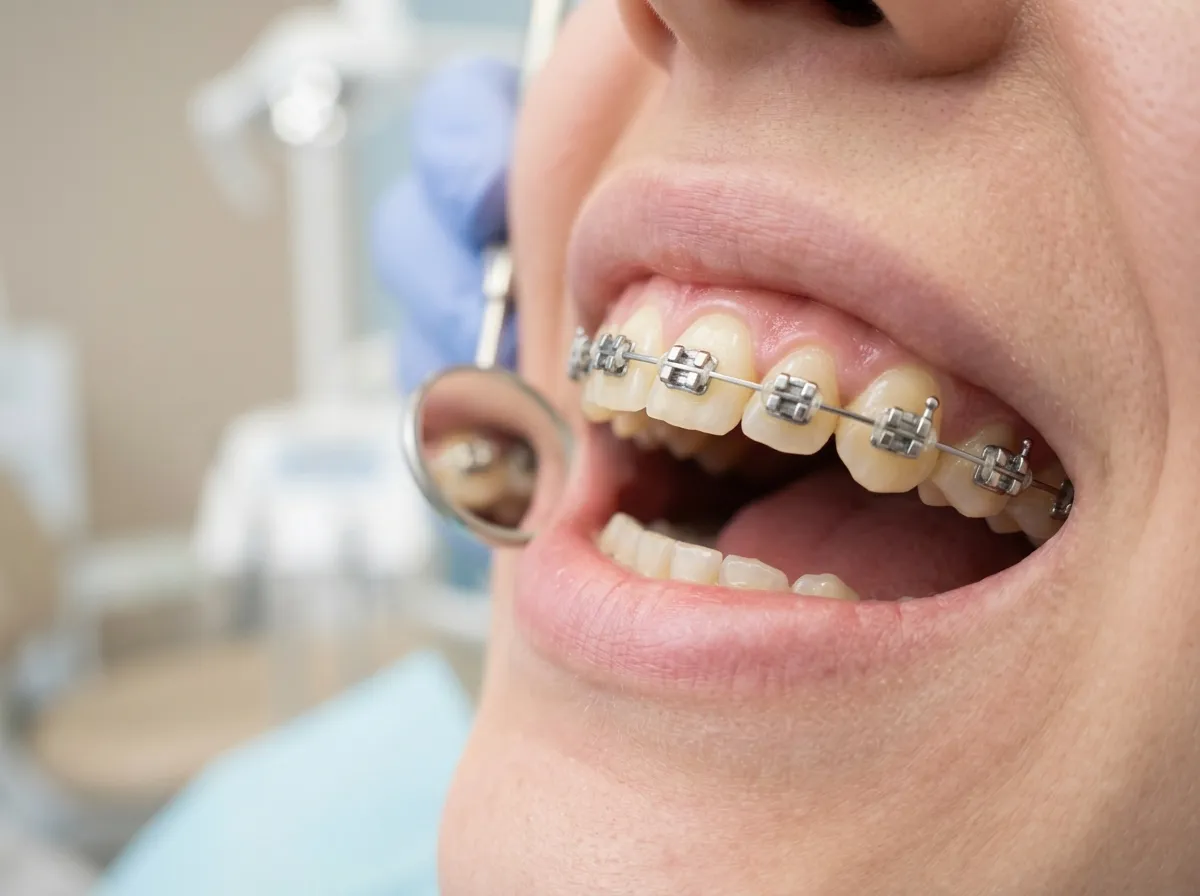
Traditional braces are a fixed orthodontic treatment. That means they stay on your teeth throughout your entire treatment — you don’t remove them at night or for meals. They use a system of brackets, an archwire, and small elastic bands to gradually move your teeth into the right position. The wire applies steady, gentle pressure, and over time, your teeth shift to where they should be.
You can learn more about how this process unfolds by visiting the About Braces page. It’s a great starting point for anyone new to orthodontic treatment.
Types of Traditional Braces Available
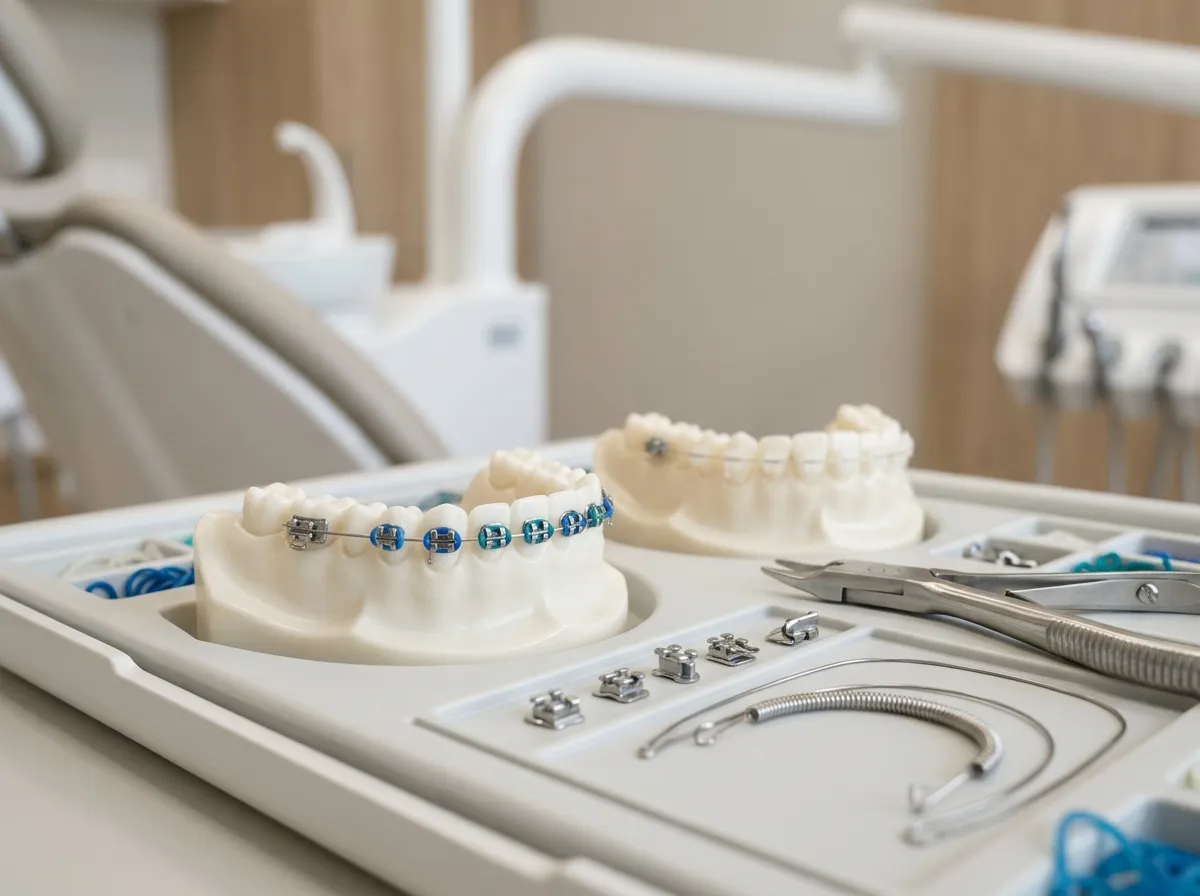
Not all traditional braces look the same. Today’s options give patients more choices than ever before. Here’s a quick breakdown:
| Type | Material | Visibility | Best For |
|---|---|---|---|
| Metal Braces | Stainless Steel | Most visible | Kids, teens, complex cases |
| Ceramic Braces | Tooth-colored ceramic | Less visible | Teens and adults wanting discretion |
| Clear Plastic Braces | Plastic | Very low visibility | Adults focused on appearance |
For a deeper dive into all your braces options, check out the Types of Braces page. It covers everything from metal to ceramic options so you can compare side by side.
What Problems Can Traditional Braces Fix?
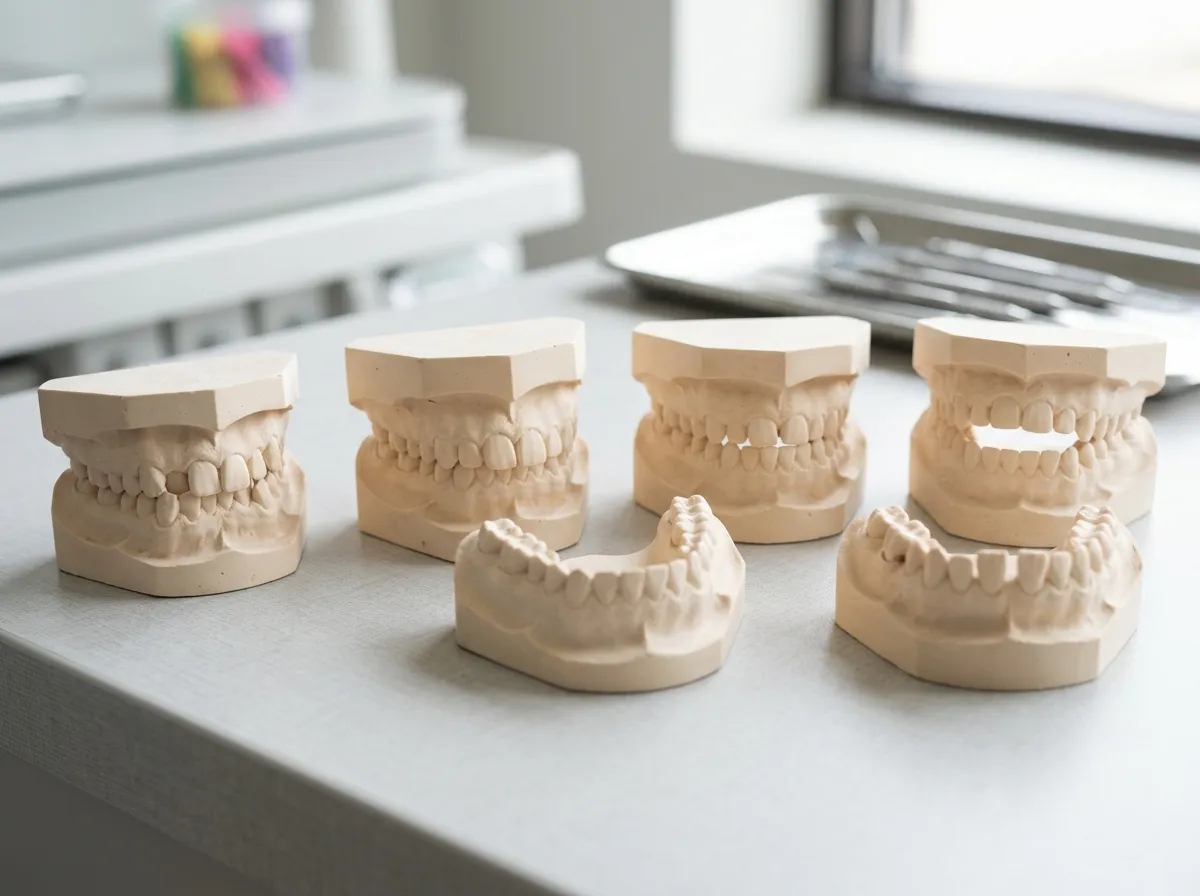
Traditional braces are incredibly versatile. They can treat a wide range of orthodontic issues, including:
- Crowded teeth — when teeth don’t have enough room and overlap
- Spacing issues — gaps between teeth that affect your smile and bite
- Overbite — upper teeth that stick out too far over the lower teeth
- Underbite — lower teeth that sit in front of upper teeth
- Crossbite — upper and lower teeth that don’t line up side to side
- Rotated or tilted teeth — teeth that are turned or angled incorrectly
- Open bite — upper and lower teeth that don’t meet when biting
For complex cases especially, traditional braces give orthodontists a high level of control over each tooth’s movement. You can explore the full range of issues treated by visiting the Common Treatments page.
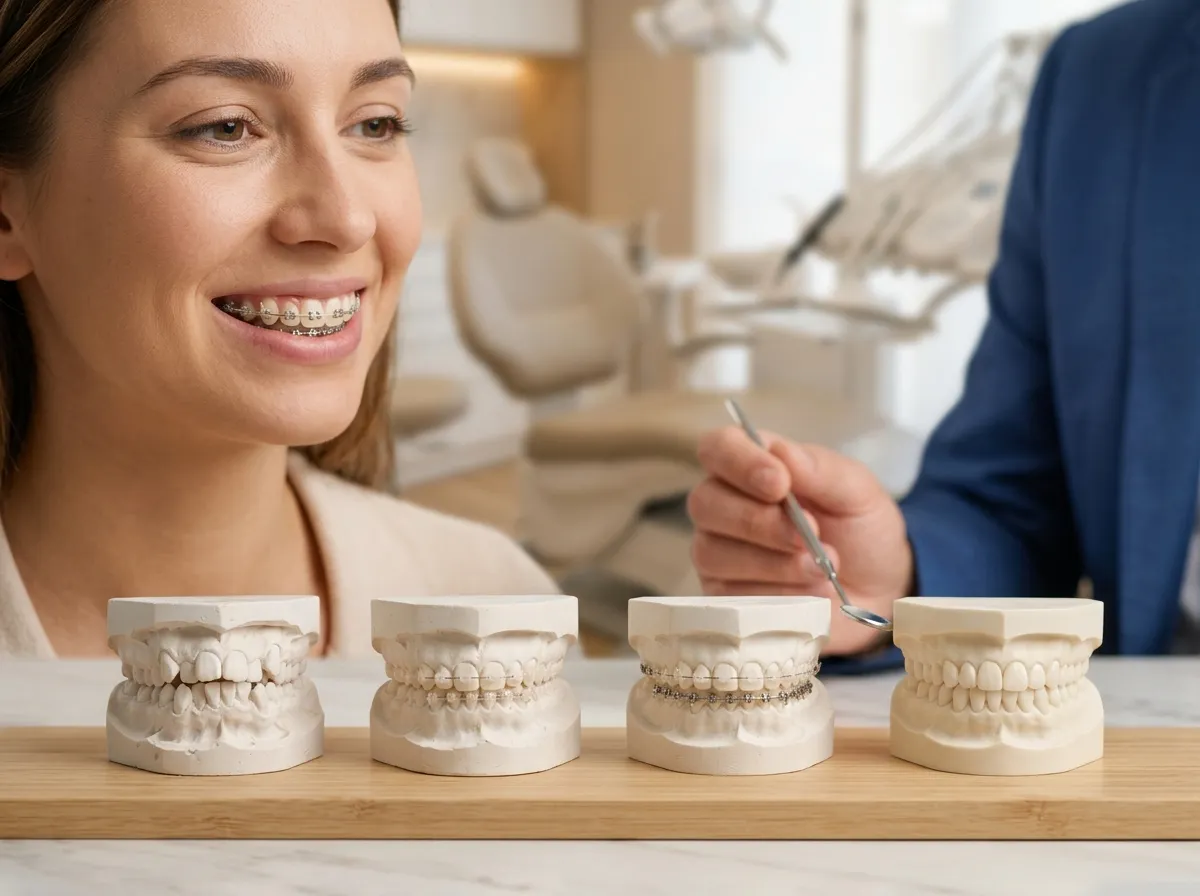
How Long Does Treatment Take?
This is one of the most common questions we hear. Treatment time depends on how much correction is needed. Here’s a general guide:
| Case Complexity | Estimated Treatment Time |
|---|---|
| Mild misalignment | 12 – 18 months |
| Moderate misalignment | 18 – 24 months |
| Severe or complex cases | 24 – 36 months |
The FDA notes that the average braces treatment time is about 2 years, though it can be shorter or longer depending on the patient. The best way to get an accurate estimate is through a professional evaluation. You can learn what to expect at your first visit before you even step in the door.
Want to make sure you’re not slowing down your own progress? Read up on 15 braces timeline mistakes that slow down your smile — it’s genuinely eye-opening.
Who Are Traditional Braces Best For?
Children and Pre-Teens
Early treatment can make a big difference. The American Association of Orthodontists recommends children have their first orthodontic evaluation by age 7. Traditional braces work wonderfully for kids and pre-teens because they don’t rely on the patient to remember to wear them — they’re always working. Learn more about early orthodontic treatment and why starting sooner can lead to better results.
Teenagers
Teens are in an active growth phase, and traditional braces take full advantage of that. Because teeth and jaws are still developing, movement tends to happen faster and more predictably. Check out adolescent orthodontic treatment to see what’s possible during these important years. You can also explore braces options for teens including costs and results.
Adults
Yes, adults get braces too — and more than ever before! Traditional braces remain a solid choice for adults with complex bite issues or significant crowding. If you’re curious about adult options, adult orthodontics is a great resource to explore. You might also enjoy reading about 7 things to know about adult orthodontics in 2026.
Traditional Braces vs. Clear Aligners: A Quick Comparison
Many patients wonder how traditional braces stack up against clear aligners. Here’s an honest side-by-side look:
| Feature | Traditional Braces | Clear Aligners |
|---|---|---|
| Visibility | More visible | Nearly invisible |
| Removability | Fixed (not removable) | Removable |
| Compliance required | Low — works automatically | High — must wear 20-22 hrs/day |
| Complex case ability | Excellent | Good for mild to moderate |
| Cleaning ease | More challenging | Easier |
| Cost range | ~$3,000 – $6,000 | ~$3,000 – $6,000+ |
A 5-year follow-up study found that both traditional braces and clear aligners produced significant improvements in dental alignment and occlusal stability, with no significant difference in treatment duration. So both are great options — it really comes down to your specific needs and lifestyle. If you’d like to explore aligners more, take a look at Invisalign treatment as well.
How Much Do Traditional Braces Cost?
Cost is always a big consideration for families. In the U.S., the average cost of traditional braces is around $6,000, though this varies widely based on location, case complexity, and the type of braces chosen. At Torres Orthodontics Miami Lakes, pricing generally ranges from $3,000 to $6,000 depending on your individual treatment needs.
The good news? We accept most major PPO dental insurance plans, including Delta Dental, Blue Cross Blue Shield, Aetna, Guardian, MetLife, and UnitedHealthcare. We also accept Medicaid and offer flexible monthly payment plans. For more detail, visit our Insurance and Financing page. You can also read our full breakdown: How Much Do Braces Cost? A Complete Price Breakdown.
Caring for Your Teeth With Traditional Braces
Oral hygiene is extra important when you have braces. Food and plaque can collect around brackets and wires, making it easier for cavities to develop. Here are the key habits to build:
- Brush after every meal — use a soft-bristled toothbrush and spend at least two minutes brushing around each bracket.
- Floss daily — use a floss threader or orthodontic flosser to get between teeth and under the wire.
- Rinse with fluoride mouthwash — this helps protect tooth enamel throughout treatment.
- Attend all adjustment appointments — regular visits keep your treatment on track and give your orthodontist a chance to spot any issues early.
- Wear your rubber bands as directed — if your orthodontist gives you elastics, wearing them consistently makes a real difference.
Foods to Avoid With Traditional Braces
Eating the right foods protects your brackets and wires. Here’s a quick list of what to skip:
- Hard foods: nuts, hard candies, raw carrots (unless cut small), popcorn
- Sticky foods: caramel, gummy bears, chewing gum, taffy
- Crunchy snacks: chips, hard pretzels, ice
- Chewy breads: bagels and hard rolls can loosen brackets
- Foods you bite into directly: corn on the cob, whole apples, hard pizza crusts
Don’t worry — you can still eat plenty of delicious foods! Soft fruits, pasta, rice, cooked vegetables, and most proteins are all fine. It just takes a little adjustment at first.
What to Expect at Adjustment Visits
Once your braces are on, you’ll come in for regular adjustment visits — usually every 6 to 8 weeks. At these appointments, your orthodontist will:
- Check your progress by examining how your teeth have moved
- Tighten or replace the archwire to continue applying the right amount of pressure
- Change your elastic bands if needed
- Answer any questions you have about discomfort or care
You might feel some soreness for a day or two after each adjustment — this is completely normal. Over-the-counter pain relief and soft foods can help. It’s your teeth doing their job!
After Braces: Don’t Skip the Retainer
Once your braces come off, you’ll need to wear a retainer to keep your teeth in their new position. This step is non-negotiable — without a retainer, teeth can shift back. Learn everything you need to know by reading what retainers do after braces or aligners and explore orthodontic retainers in detail.
Why Choose Torres Orthodontics for Traditional Braces
If you’re in the Miami Lakes area and looking for a trusted orthodontic team, we’d love to meet you. Dr. Rodney Torres and the entire team at Torres Orthodontics are known for their warm, welcoming environment and personalized approach to care. We use advanced technology including digital impressions and 3D treatment planning to make your experience faster and more comfortable.
You can visit us on Google — Torres Orthodontics Miami Lakes to read what our patients are saying. Spoiler: they love it here. You can also check out our Before and After gallery to see real results from real patients.
Stay connected and get helpful tips by following us on Facebook and Instagram, where we share orthodontic advice, patient spotlights, and behind-the-scenes content from our offices.
Start Your Smile Journey Today
Traditional braces have stood the test of time because they deliver real, lasting results. Whether you’re a parent exploring options for your child, a teenager ready to take the next step, or an adult finally prioritizing your smile — traditional braces might be exactly what you need. The orthodontics market is growing fast (valued at over $9.5 billion in 2026), and more people than ever are discovering the confidence that comes with a beautifully aligned smile.
You deserve to feel great about your teeth. The first step is a simple conversation with our team. Watch real patient stories and treatment walkthroughs on our YouTube channel to get a feel for what your experience could look like.
Ready to take the leap? Schedule your appointment with Torres Orthodontics today and take the first step toward the smile you’ve always wanted. We can’t wait to meet you!
FAQs
Q: How long do traditional braces usually take?
A: Most people wear traditional braces for about 1 to 3 years, with an average of around 2 years. Your timeline depends on how much correction your teeth need — milder cases often finish sooner, while more complex ones take longer. Your orthodontist will give you a personalized estimate at your first visit!
Q: Do traditional braces hurt?
A: Honestly, the process is more uncomfortable than painful for most people. You might feel some soreness when braces are first placed and after adjustment appointments — that’s just your teeth responding to the pressure. It usually fades within a day or two, and soft foods plus over-the-counter pain relief can help a lot.
Q: Are traditional braces better than clear aligners for complex cases?
A: For more severe crowding, significant bite issues, or cases that need precise tooth rotation, traditional braces often give orthodontists more control. Clear aligners are fantastic for mild to moderate alignment issues. Your orthodontist will recommend whichever option is best suited to your specific needs.
Q: How much do traditional braces cost in Florida?
A: At Torres Orthodontics, traditional braces typically range from $3,000 to $6,000 depending on your case complexity and treatment length. We accept most major PPO insurance plans, Medicaid, and offer flexible monthly payment plans to make treatment affordable for every family.
Q: What foods should I avoid with traditional braces?
A: You’ll want to steer clear of hard, sticky, and crunchy foods — think caramel, popcorn, hard candies, gummy bears, and anything you need to bite into directly like whole apples or corn on the cob. Don’t stress though — there are still tons of delicious, braces-friendly foods to enjoy throughout your treatment!


