Key Takeaways
-
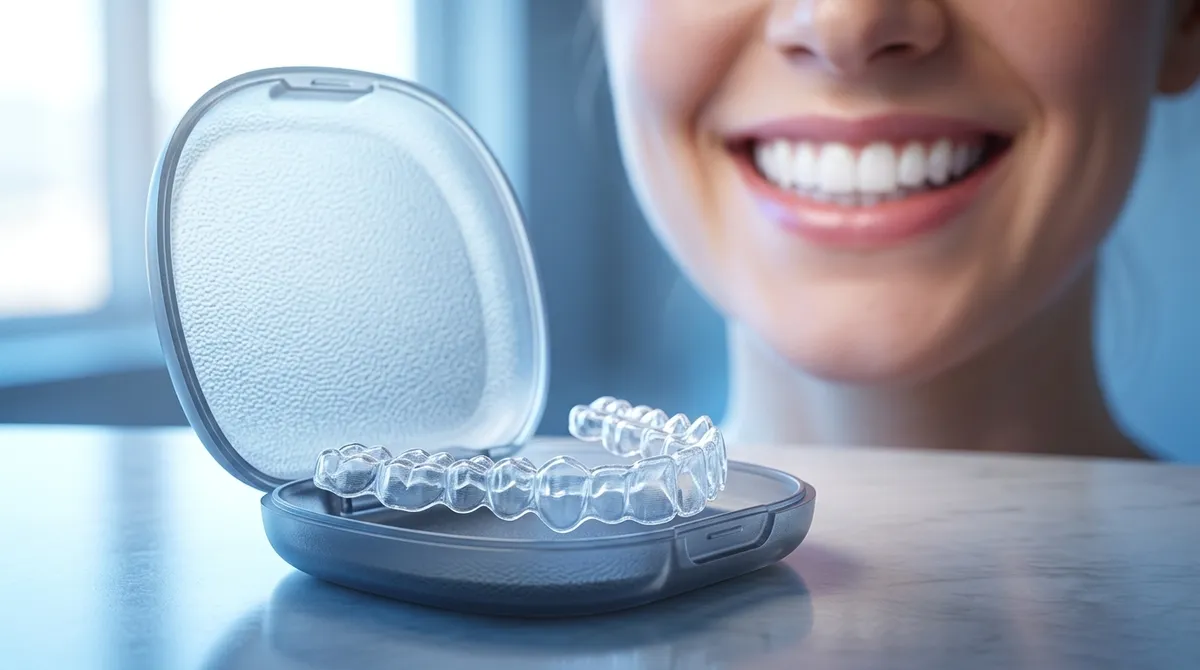
Wear your retainer full-time (20-22 hours daily) for the first 6 months after Invisalign, then switch to nightly wear indefinitely to prevent tooth relapse and protect your investment.
-
Teeth naturally shift back to their original positions without retention support; wearing a retainer consistently is the only reliable way to prevent relapse and avoid costly retreatment.
-
Clear plastic retainers last 6-12 months and require gentle care away from heat, while Hawley retainers last 1-20 years; replace immediately if loose, cracked, or discolored to maintain effectiveness.
-
Custom-made retainers are essential—your orthodontist creates one specifically for your teeth using scans after treatment to ensure perfect fit and maximum stability.
-
Common mistakes like stopping wear too soon, skipping nights, and improper storage (heat, pets) cause relapse; store your retainer in its case and rinse with cool water after each removal.
-
Every Invisalign patient needs a retainer regardless of case complexity; teens benefit from removable clear options while younger patients may need fixed bonded retainers for automatic compliance.
You just finished your Invisalign treatment. Your teeth look amazing. You feel like a whole new person! But then your orthodontist hands you a retainer and says, “You’ll need to wear this.” You might be thinking — wait, didn’t I just finish wearing trays? What exactly is an Invisalign retainer, and why does it matter so much?
Great question! Here’s the thing: finishing Invisalign is a huge milestone, but it’s not the very last step. A retainer is what keeps your beautiful new smile in place. Without one, your teeth can quietly drift back toward where they started. Nobody wants that after all that hard work!
In this guide, we’ll break down everything you need to know about retainers after Invisalign — what they are, why you need one, which types are available, and how to care for yours. Whether you’re a teen, an adult, or a parent of a patient, this guide is for you.
Invisalign Treatment vs. Invisalign Retainer: What Is the Difference?
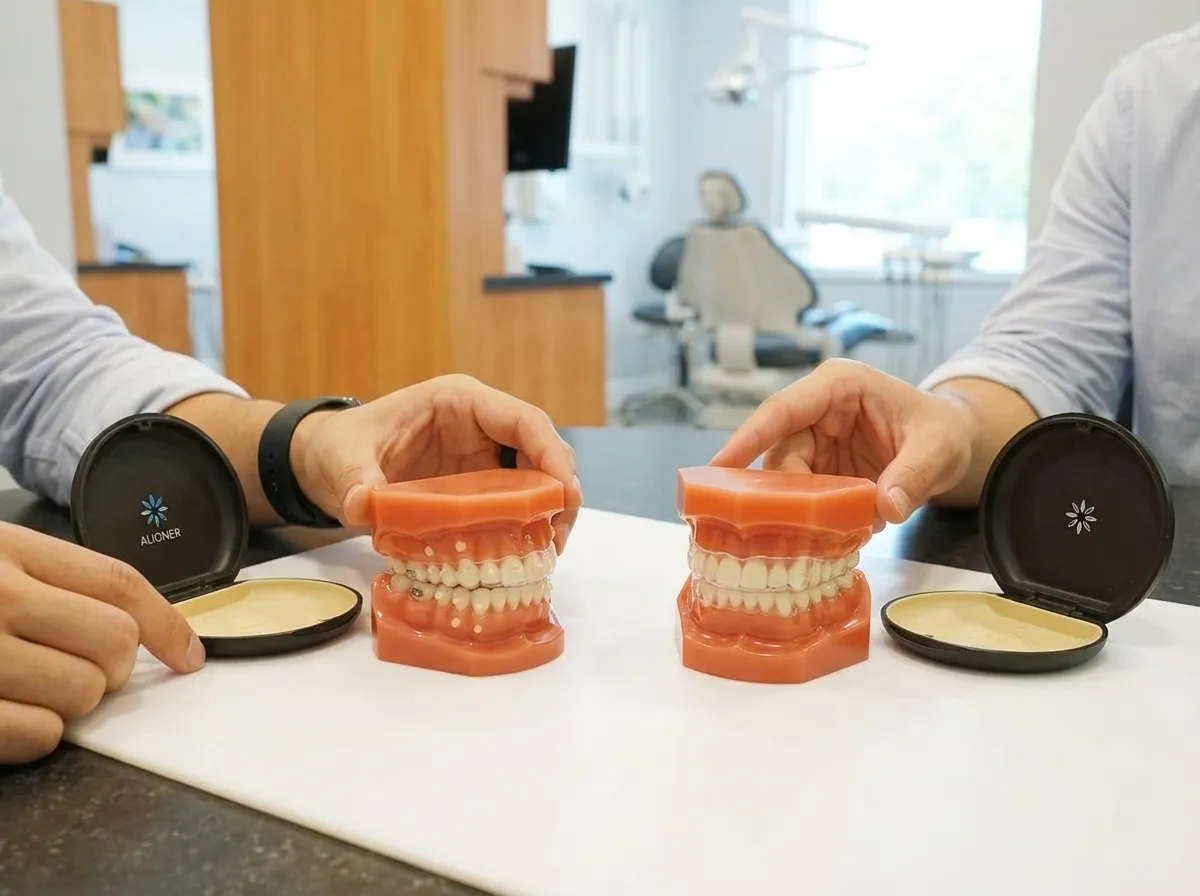
A lot of people mix these two things up, so let’s clear it up right away. Invisalign is the active phase of treatment. During this phase, you wear a series of custom clear aligners. Each tray slowly moves your teeth into a straighter position. You wear each set for about one to two weeks, and the aligners do the work of shifting your bite and alignment. During treatment, you wear your aligners for approximately 22 hours per day.
An Invisalign retainer, on the other hand, comes after treatment ends. It does not move your teeth. Instead, it holds them in their new, corrected positions. Think of it like the finishing glue that keeps everything in place. Your teeth have memory — they want to go back to where they came from. A retainer stops that from happening.
If you want to learn more about how the aligner process works, check out how Invisalign clear aligners actually work.
Why Do Teeth Shift After Invisalign?
Teeth are held in place by soft tissues and bone. When orthodontic treatment moves teeth, those surrounding tissues need time to fully stabilize in the new position. Until they do, the teeth are vulnerable to shifting. This process is called relapse, and it happens to everyone — not just Invisalign patients.
Here are the main reasons teeth shift after treatment:
- The bone and ligaments around teeth need time to harden in the new position
- Natural aging causes the teeth to slowly crowd over time
- Habits like grinding or clenching can push teeth out of alignment
- Skipping retainer wear is the number one cause of relapse
- Growth changes in teenagers can shift teeth even after treatment
The good news? Wearing your retainer consistently prevents all of this. It really is that simple. To understand more about what retainers do and why they matter, read what retainers do after braces or aligners.
Types of Retainers After Invisalign
Not all retainers are the same. After Invisalign, your orthodontist may recommend one of three main types. Each has its own pros and cons depending on your needs, lifestyle, and treatment results.
| Retainer Type | Appearance | Removable? | Estimated Lifespan |
|---|---|---|---|
| Clear Plastic (Essix/Vivera) | Nearly invisible | Yes | 6–12+ months |
| Hawley Retainer | Wire + acrylic plate | Yes | 1–20 years |
| Fixed Bonded Retainer | Thin wire behind teeth | No | Many years (with care) |
Clear Plastic Retainers
These are the most popular choice after Invisalign because they look almost identical to the clear aligners you wore during treatment. They are custom-made to fit your teeth perfectly. Clear plastic retainers are virtually invisible, which makes them a great option for teens and adults who care about appearance.
According to Invisalign, clear plastic retainers can last about 6 to 12 months or longer with proper care. They can crack or warp if exposed to heat or rough handling, so treat them gently!
Hawley Retainers
A Hawley retainer is a classic option made from a combination of wire and acrylic. It fits along the roof of your mouth or the floor of your lower jaw, and a wire holds across the front of your teeth. They are very durable and can last anywhere from 1 to 20 years depending on care. Some patients even customize the colors of the acrylic plate — a fun option for younger patients!
Fixed Bonded Retainers
A fixed retainer is a thin wire that your orthodontist bonds directly to the back of your teeth. You cannot remove it yourself, and it stays in place all day and all night. This makes it the most reliable option for preventing relapse, since there’s no risk of forgetting to wear it. However, fixed retainers require careful flossing and regular monitoring to make sure the wire stays intact.
Want to compare your options side by side? Read more about fixed vs. removable retainers to help you decide.
Comparing Retainer Types: Pros and Cons
| Retainer Type | Pros | Cons |
|---|---|---|
| Clear Plastic | Invisible, comfortable, easy to remove | Can crack, needs replacement over time |
| Hawley | Very durable, adjustable | More visible, slight speech adjustment |
| Fixed Bonded | Works 24/7, no effort needed | Harder to clean, cannot remove |
How Long Do You Need to Wear a Retainer After Invisalign?
This is the big question everyone asks! The honest answer is: a long time. Most orthodontists recommend wearing your retainer full-time right after treatment ends, then switching to nighttime wear once your teeth have stabilized.
Here is a general retainer wear timeline most orthodontists follow:
- Months 1–6: Wear your retainer full-time (20–22 hours per day), removing only to eat and brush
- Months 6–12: Transition to nighttime-only wear as directed by your orthodontist
- Year 1 onward: Continue nightly wear indefinitely to prevent any long-term shifting
Research supports that part-time removable retainer wear of about 10 hours per day can be enough to maintain orthodontic results long-term. However, your orthodontist’s specific instructions always come first. Every patient is different, and some cases may need more consistent wear than others.
For more helpful tips about life with a retainer, check out 12 things you must know about your retainer after braces.
How to Care for Your Invisalign Retainer
Taking care of your retainer is easy once you build a routine. Here are the most important care tips to keep your retainer clean and long-lasting:
- Rinse your retainer with cool water every time you remove it
- Brush it gently with a soft toothbrush and mild soap — avoid toothpaste, which can scratch the surface
- Store it in its case when not in use — never wrap it in a napkin (too easy to throw away by accident!)
- Keep it away from heat — hot water, dishwashers, and sunny car dashboards can warp the plastic
- Soak it in a retainer cleaning solution or diluted white vinegar to remove buildup
- Bring it to your follow-up appointments so your orthodontist can check its fit
Want a full care routine? Read how to care for your retainers after braces for step-by-step guidance.
Retainer Wear Schedule at a Glance
| Phase | Wear Time Per Day | Duration |
|---|---|---|
| Post-treatment (initial) | 20–22 hours | First 6 months |
| Transition phase | Nighttime only | Months 6–12 |
| Long-term maintenance | Nighttime only | Ongoing (lifelong) |
Are Retainers After Invisalign Custom-Made?
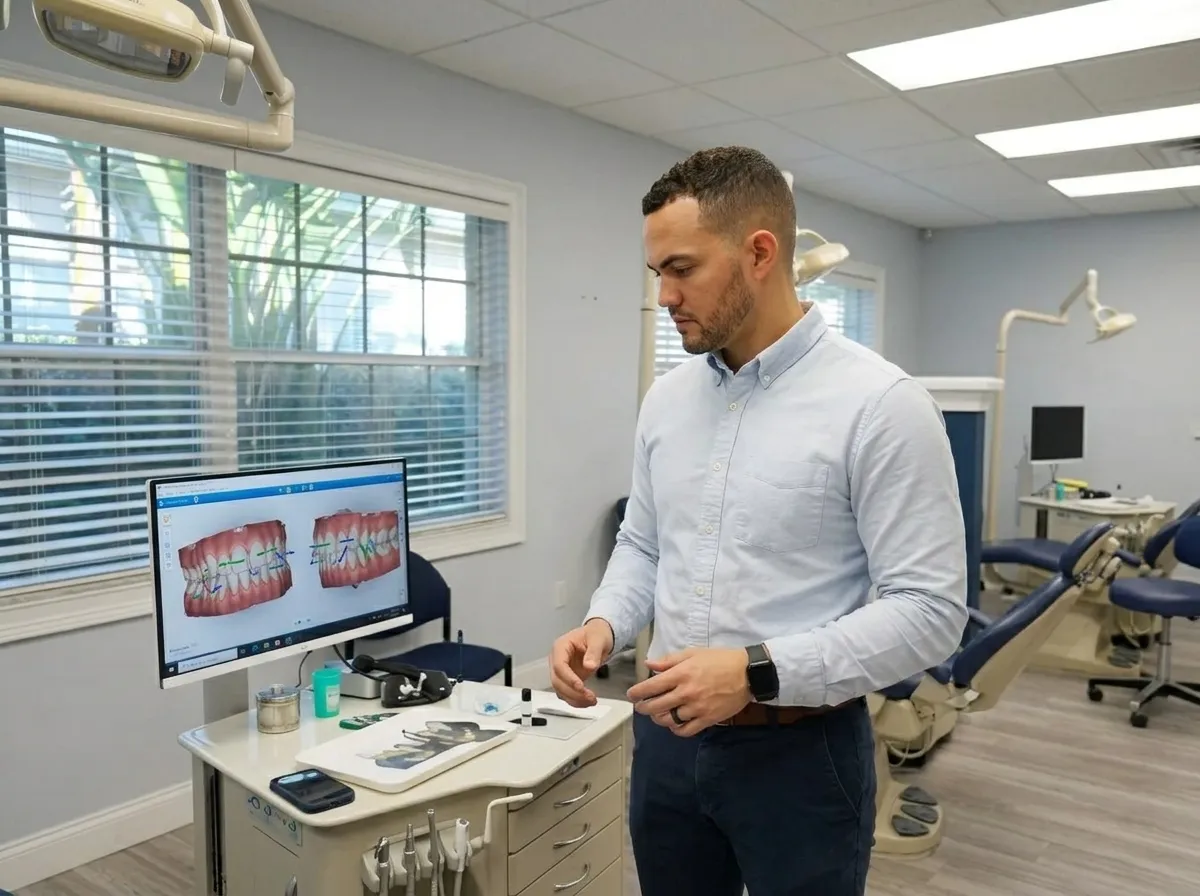
Yes! Every retainer is made specifically for your teeth. After your Invisalign treatment ends, your orthodontist takes a scan or impression of your teeth in their new positions. That scan is used to create a retainer that fits your smile perfectly. No generic, one-size-fits-all trays here — it’s 100% custom.
At Torres Orthodontics, custom retainers are crafted using advanced digital technology to ensure a precise, comfortable fit for every patient. Whether you’re being treated in Tampa or at our Torres Orthodontics Miami Lakes location, you can expect the same personalized, detail-oriented care from Dr. Torres and his team.
Common Mistakes People Make With Their Retainer
Even the most diligent patients sometimes slip up with retainer habits. Here are the most common mistakes — and how to avoid them:
- Stopping retainer wear too soon: Your teeth need ongoing support. Quitting after a few months can lead to shifting.
- Skipping nighttime wear: Even one or two nights off can allow slight movement over time.
- Not replacing a worn-out retainer: A cracked or ill-fitting retainer is not doing its job. Get a replacement promptly.
- Leaving the retainer in while eating: Food and pressure can damage the tray. Always remove it before meals.
- Storing it improperly: Heat and pets are two of the biggest retainer enemies — keep it in its case!
For a deeper look at retainer facts every patient should know, visit 12 dental retainer facts every orthodontic patient should know.
Who Needs a Retainer After Invisalign?
Honestly? Everyone who completes Invisalign treatment needs a retainer — no exceptions. It doesn’t matter how simple or complex your case was. Teeth in every patient will shift without retention support. Kids, teens, and adults all need retainers after treatment.
- Teens benefit from removable clear retainers that fit easily into school routines
- Adults often love clear retainers because they’re nearly invisible at work
- Younger patients may benefit from fixed retainers since compliance is automatic
- Patients with severe crowding history may need longer or more consistent retention periods
If you’re an adult who completed aligner treatment, you’ll find helpful guidance in 7 things to know about adult orthodontics in 2026. Parents looking for guidance on their teen’s treatment can also explore clear aligners for teens and younger patients.
Follow Torres Orthodontics on Instagram @torresortho for helpful tips, patient stories, and smile transformations that show just how powerful proper retention can be. You can also find educational videos and retainer care tips on the Torres Orthodontics YouTube channel.
When Should You Replace Your Retainer?
Clear plastic retainers do not last forever. Here are some signs it’s time to get a new one:
- The retainer feels loose or no longer fits snugly
- It has visible cracks or chips
- It smells bad even after cleaning
- It has turned yellow or cloudy
- Your orthodontist notices wear at a checkup
Replacing a worn retainer is much cheaper and easier than retreating shifted teeth. Think of it as protecting your investment! You can also connect with the team on Facebook at Torres Orthodontics if you have questions between appointments.
For more details about orthodontic retainers and how they support your smile long-term, the Torres Orthodontics website has a wealth of resources for patients at every stage of treatment. Ready to get started or ask questions about your retainer? You can easily book your next appointment online and get the personalized answers you need.
Protecting Your Smile Is Worth It
You worked hard for your straight, confident smile. An Invisalign retainer is what keeps that smile looking great for years — even decades — to come. The good news is that wearing a retainer is easy, especially once it becomes part of your nightly routine. Pop it in before bed, take it out in the morning, and you’re good to go.
The team at Torres Orthodontics is here to guide you through every step — from your first aligner tray all the way through long-term retention. Dr. Torres and his caring staff take the time to make sure every patient understands their retainer options and feels confident in their post-treatment plan.
Don’t leave your smile to chance. Schedule your appointment at Torres Orthodontics today and let us help you keep that beautiful smile exactly where it belongs — for life!
FAQs
Q: What is the difference between an Invisalign retainer and Invisalign aligners?
A: Great question! Invisalign aligners are worn during active treatment to gradually move your teeth into a straighter position. An Invisalign retainer comes after treatment is complete and is designed to hold your teeth in place — not move them. Think of aligners as the journey and the retainer as what keeps you at your destination!
Q: Can your teeth really shift back after Invisalign if you skip wearing a retainer?
A: Yes, they absolutely can! Teeth have a natural tendency to drift back toward their original positions — this is called relapse. Wearing your retainer as directed is the easiest and most reliable way to protect your smile and avoid needing retreatment down the road.
Q: How long do Invisalign retainers last?
A: Clear plastic retainers typically last about 6 to 12 months or longer with proper care, while Hawley retainers can last anywhere from 1 to 20 years. Fixed bonded retainers can last many years but may need occasional repairs. Your orthodontist will let you know when it’s time for a replacement!
Q: Do you need to wear a retainer forever after Invisalign?
A: For the best results, most orthodontists recommend lifelong nighttime retainer wear after the initial full-time phase. It sounds like a lot, but wearing your retainer at night becomes second nature very quickly — and it’s a small habit that keeps your smile looking amazing for years to come!
Q: What is the best type of retainer after Invisalign treatment?
A: The best retainer depends on your lifestyle, your treatment results, and your orthodontist’s recommendation. Clear plastic retainers are popular because they’re nearly invisible, while fixed bonded retainers are great if you want a no-effort solution. Your orthodontist will help you choose the option that’s the best fit for your unique smile!


