
If you’re thinking about Invisalign but have been told you have a cavity, or you already have a crown, you’re not alone. Many teens and adults want straighter teeth, but they also have existing dental work. The good news is that Invisalign is often still possible. The key is to make sure your teeth and gums are healthy enough for safe tooth movement first. So, can you start right away? Sometimes yes, sometimes no.
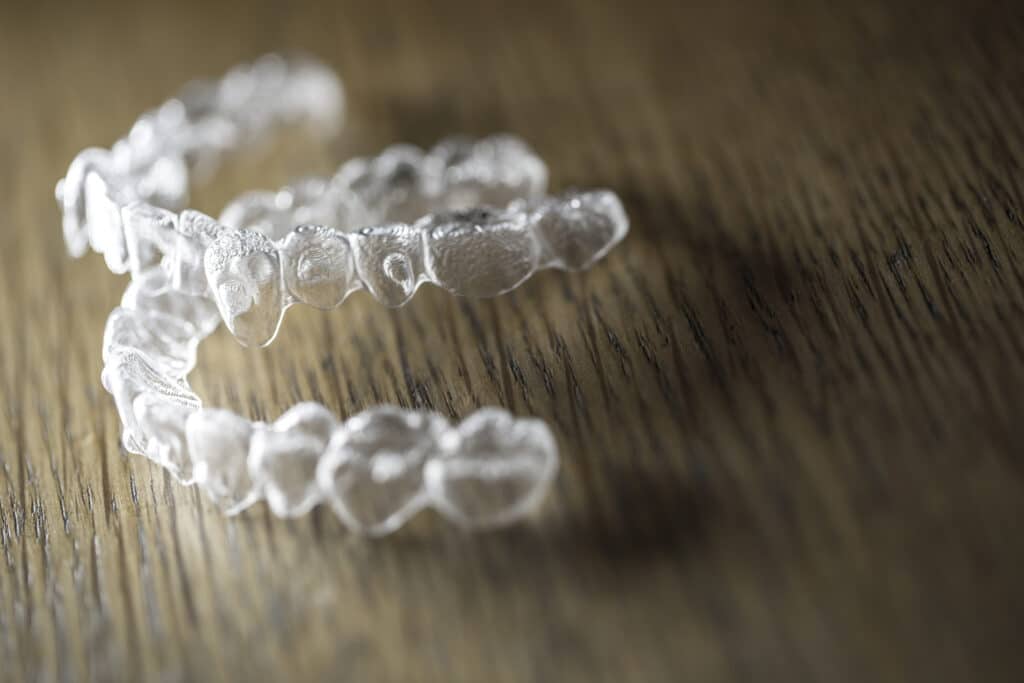
Dr. Rodney Torres at Torres Orthodontics explains whether you can get Invisalign with cavities or crowns, why Invisalign with dental work often starts with treating cavities first, and how crowns and aligners can work together safely during treatment.
What If You Have Cavities or Crowns and Want Invisalign in Miami Lakes, FL?
Best quick answer: You can often get Invisalign with crowns, but active cavities usually need to be treated first. After your dentist repairs the decay, Dr. Torres can plan aligners around your dental work.
In most cases, the safest path looks like this:
- Identify cavities or failing restorations
- Complete needed dental treatment
- Start Invisalign once teeth are stable and healthy
- Monitor dental work throughout treatment
Why Do Cavities Matter Before Invisalign?
Invisalign trays fit snugly over your teeth, which is ideal for controlled movement, but it also means food debris and bacteria can get trapped if your oral hygiene slips. If you begin treatment with untreated decay, those cavities can worsen while aligners cover your teeth for most of the day.
Starting with healthy teeth helps you avoid:
- Tooth sensitivity that makes wearing aligners uncomfortable
- Larger fillings later
- Root canal risk if decay progresses
- Unplanned pauses in treatment
Bottom line: Invisalign can move teeth, but it can’t “pause” tooth decay. Treating cavities first is a smart way to plan your Invisalign treatment alongside other dental work.
Can You Do Invisalign If You Already Have a Crown?
Yes—many people complete Invisalign successfully with one or more crowns. A crown is a strong restoration, and it can move with the tooth just like a natural tooth. The main difference is how attachments and grip work.
Here’s what Dr. Torres may consider with crowns and aligners:
- Attachment placement: attachments may not bond as easily to some crown materials.
- Tooth shape and fit: crowns with smooth contours may need plan adjustments for better tracking.
- Age of the crown: older crowns may be checked for stability or fit before moving teeth.
- Bite forces: if you clench or grind, Dr. Torres may plan extra protection.
If a crown is loose, cracked, or has decay underneath, it should be treated before aligner therapy begins.
What If You Need a Filling During Invisalign Treatment?
It happens. Many patients start treatment and later discover a small cavity or need a replacement filling.
The good news: minor dental work can often be done without derailing your progress. Depending on the location and size of the filling, Dr. Torres may:
- Ask you to keep wearing your current aligner
- Rescan or adjust the plan if the tooth shape changes
- Order a refinement set if the fit changes noticeably
This is why checkups and cleanings matter during Invisalign; your dentist and Dr. Torres can work together as a team when you’re undergoing Invisalign treatment alongside other dental work.
Are There Special Considerations for Crowns and Aligners?
Yes, but they’re usually manageable. Aligners apply gentle, steady pressure, and if the crown fits well and the tooth is healthy, it typically moves as expected. The main challenge is making sure the aligners “track” properly, meaning they stay fully seated on the teeth as planned.
Helpful tips for success with crowns and aligners:
- Wear aligners 20–22 hours/day so they track properly
- Use chewies if recommended to seat trays fully
- Don’t force trays on if something feels “off”
- Report any sudden crown sensitivity or looseness quickly
What Oral Hygiene Habits Help Prevent Cavities With Invisalign?
Because aligners cover teeth most of the day, hygiene becomes your secret weapon. These habits reduce your risk of new cavities during treatment:
- Brush and floss before putting trays back in
- Rinse your mouth and aligners if you can’t brush right away
- Stick to water while wearing aligners (sugary drinks are a common problem)
- Clean aligners daily so plaque doesn’t transfer back to teeth
- Keep regular cleanings with your dentist
Think of Invisalign like wearing a clear “helmet” for your teeth, clean teeth underneath stay healthy, but trapped sugar can cause trouble fast.
Can You Get Invisalign With Cavities or Crowns?
For most teens and adults, the outlook is encouraging: Invisalign with existing dental work is usually possible. Crowns typically work well with aligners, and cavities can be treated safely when they’re addressed first.
At Torres Orthodontics in Tampa, Miami Lakes, and Boca Raton, FL, we help teens and adults coordinate Invisalign with dental work, understand when cavities need to be addressed, and protect crowns and aligners throughout treatment—so you can straighten your smile confidently with fewer delays and fewer surprises.