
Getting your braces off is a big moment. Your teeth look straighter, your smile feels brand new, and photos suddenly become a lot more fun.
But what many people don’t realize is that the weeks and months after debonding are when your results need the most protection. Smart post-braces care is what keeps that “just finished” smile looking that way for years.
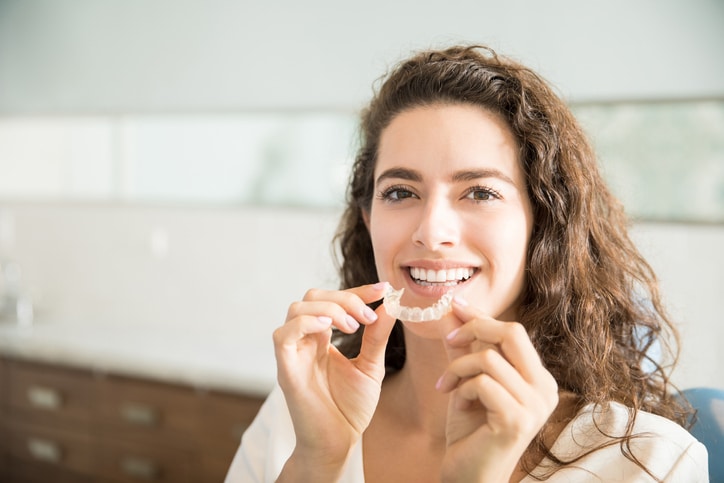
So what happens next? Dr. Rodney Torres at Torres Orthodontics explains what happens after braces come off, why post-braces care matters, how retainers protect your results, and the best teeth-shifting prevention habits to keep your smile on track.
What Happens at Your Final Braces Visit in Tampa, FL?
Best quick answer: Dr. Torres removes the brackets, cleans off the adhesive, checks your bite, and either fits you for retainers or provides them the same day, depending on the type.
Here’s what usually happens at that appointment:
- Bracket and wire removal: Quick and painless, though it can feel a bit “weird” pressure-wise.
- Adhesive cleanup and polishing: Removes leftover bonding material so your teeth feel smooth again.
- Final bite check: Confirms everything is sitting correctly.
- Retainer plan: You’ll get instructions for wearing and caring for your retainers.
- Photos or scans: Many offices take “after” images to document your results.
You may notice your teeth feel slightly sensitive or extra smooth, totally normal.
Why Do You Need Retainers After Braces?
Your teeth aren’t “locked in” the moment braces come off. Teeth naturally want to drift, and the tissues around them need time to stabilize. That’s why retainers are not optional, they’re the key to long-term success.
Think of braces like moving furniture into a new room. Retainers are what keep everything from sliding back while the floor settles.
Retainers help with:
- Holding teeth in their new positions
- Supporting gum and bone adjustment
- Protecting your investment of time and effort
- Long-term teeth-shifting prevention
What Types of Retainers Might You Get?
Most people receive one of these common retainer options:
Clear removable retainers
These look similar to aligners and are easy to wear.
- Discreet and comfortable
- Need regular cleaning to avoid cloudiness or odor
Hawley retainers
These have an acrylic base and a thin metal wire.
- Durable and adjustable
- More noticeable than clear retainers
Fixed (bonded) retainers
A thin wire bonded behind the front teeth.
- Works 24/7 without reminders
- Still requires careful brushing and flossing
Dr. Torres will recommend the best option based on your bite, habits, and long-term goals.
How Often Do You Have to Wear Retainers?
Retainer schedules can vary, but many plans follow a pattern like this:
- Full-time wear at first (often 3–6 months, depending on your case)
- Then nighttime wear long-term
If you stop wearing your retainers too soon, shifting can happen quickly—sometimes within weeks. Consistency is the simplest form of teeth-shifting prevention.
If you want straight teeth for life, retainers are part of the plan for life. Even if it’s “just nights,” staying consistent matters.
What Does Post-Braces Care Look Like Day-to-Day?
Great post-braces care is a mix of clean habits and smart protection. Here’s what helps most:
- Brush gently but thoroughly: Especially around the gumline, where plaque can build up.
- Floss daily: Your teeth may have tighter contact points after alignment.
- Clean retainers regularly: Rinse after removal and clean daily as instructed.
- Wear retainers exactly as prescribed: Skipping nights can undo progress.
- Protect your smile in sports: Wear a mouthguard if you play contact sports.
Retainer cleaning basics:
- Rinse with lukewarm water (avoid heat)
- Brush with a soft toothbrush (no gritty toothpaste)
- Use retainer-safe cleaners if recommended
How Can You Prevent Teeth From Shifting After Braces?
If you want strong teeth-shifting prevention, focus on the big four:
- Wear your retainers consistently
- Keep retainers clean and protected (use a case!)
- Show up for retainer checks
- Replace damaged or warped retainers quickly
Also remember that wisdom teeth, grinding, and natural aging can influence movement over time. Retainers help manage those forces.
When Should You Call Dr. Torres After Braces?
Don’t “wait and see” if something feels off. Reach out if:
- Your retainer feels tight, painful, or doesn’t fit
- You lose or crack your retainer
- You notice visible shifting
- Your bonded retainer feels loose
- You’re grinding or clenching more than usual
Small fixes are easier (and often cheaper) than restarting treatment.
How Do You Keep Your Smile Straight After Braces?
When braces come off, your smile is finished—but your retention phase is just beginning. With smart post-braces care, consistent retainer wear, and a simple routine focused on teeth-shifting prevention, you can protect your results for years.
At Torres Orthodontics in Tampa, Miami Lakes, and Boca Raton, FL, we help teens and adults understand retainer wear schedules, maintain strong post-braces care routines, and prevent unwanted shifting, so you can enjoy a healthy, confident smile for the long term with fewer surprises and less stress.